If you own or manage a property built before the 1990s in North Carolina, there’s a strong possibility that asbestos-containing materials are present somewhere in your building. Understanding what asbestos is, where it’s found, and why it poses serious health risks is essential for protecting yourself, your family, your employees, and anyone who enters your property. At A-1 Service Group, we’ve helped countless property owners throughout the Piedmont Triad area safely address asbestos concerns with our comprehensive asbestos abatement services.
What Is Asbestos?
Asbestos is a naturally occurring mineral fiber that was widely used in construction and manufacturing for most of the 20th century. Valued for its exceptional heat resistance, strength, and insulating properties, asbestos seemed like a miracle material when it was first introduced. The mineral fibers are incredibly durable and were incorporated into thousands of different building materials and products.
There are several types of asbestos fibers, but the most commonly used varieties in construction were chrysotile (white asbestos), amosite (brown asbestos), and crocidolite (blue asbestos). Each type has slightly different properties, but all forms of asbestos are now recognized as serious health hazards when their fibers become airborne and are inhaled or ingested.
Why Was Asbestos Used So Extensively?
To understand why asbestos is so prevalent in older buildings, it’s important to recognize why it was so popular with builders and manufacturers. Asbestos offered numerous advantages that made it ideal for construction applications. It’s highly resistant to heat and fire, making it perfect for insulation around pipes, boilers, and furnaces. The material is incredibly strong and durable, adding structural reinforcement to various building materials. Asbestos is also resistant to chemical corrosion and electrical damage, and it was relatively inexpensive to mine and process.
These properties led to asbestos being incorporated into an enormous range of building materials throughout the mid-1900s. From the 1930s through the 1970s, asbestos was considered a standard component in construction, particularly in commercial and industrial buildings.
Common Places Asbestos Is Found in Buildings
One of the challenges with asbestos is how widespread its use was in construction. If your property was built or renovated before 1990, asbestos-containing materials could be present in numerous locations throughout the structure. Understanding where asbestos is commonly found helps property owners and managers recognize potential risks.
Insulation materials represent one of the most common applications of asbestos. Pipe insulation, particularly around heating systems and boilers, frequently contains asbestos fibers. Boiler insulation and furnace insulation were also major applications. HVAC ductwork insulation in older buildings often contains asbestos, as does attic and wall insulation in properties built during the peak years of asbestos use.
Flooring materials are another major concern. Vinyl floor tiles manufactured before the 1980s commonly contained asbestos, as did the adhesives used to install them. Even the backing on vinyl sheet flooring often incorporated asbestos fibers for added durability.
Ceiling materials present additional risks. Textured ceiling coatings, often called “popcorn ceilings,” frequently contain asbestos if applied before 1980. Ceiling tiles in commercial buildings and dropped ceiling systems may also contain asbestos fibers.
Roofing and siding materials represent another category of concern. Asbestos cement shingles were popular for both roofing and siding applications. Roofing felt and tar paper used underneath shingles often contained asbestos, as did certain types of corrugated roofing panels common in industrial buildings.
Interior wall materials can also contain asbestos. Some drywall products included asbestos, particularly joint compounds used for finishing seams. Textured wall coatings and certain types of wallboard backing may contain the material as well.
Various other building components may contain asbestos, including fireproofing materials sprayed on structural steel, fire doors and fire blankets, certain types of window caulking and glazing, electrical panel components, and even some decorative plaster and artificial fireplace ashes.
Understanding the Health Risks of Asbestos Exposure
The health dangers of asbestos weren’t fully understood until decades after its widespread adoption in construction. We now know that asbestos exposure can lead to several serious and potentially fatal diseases, which is why professional asbestos removal is so important.
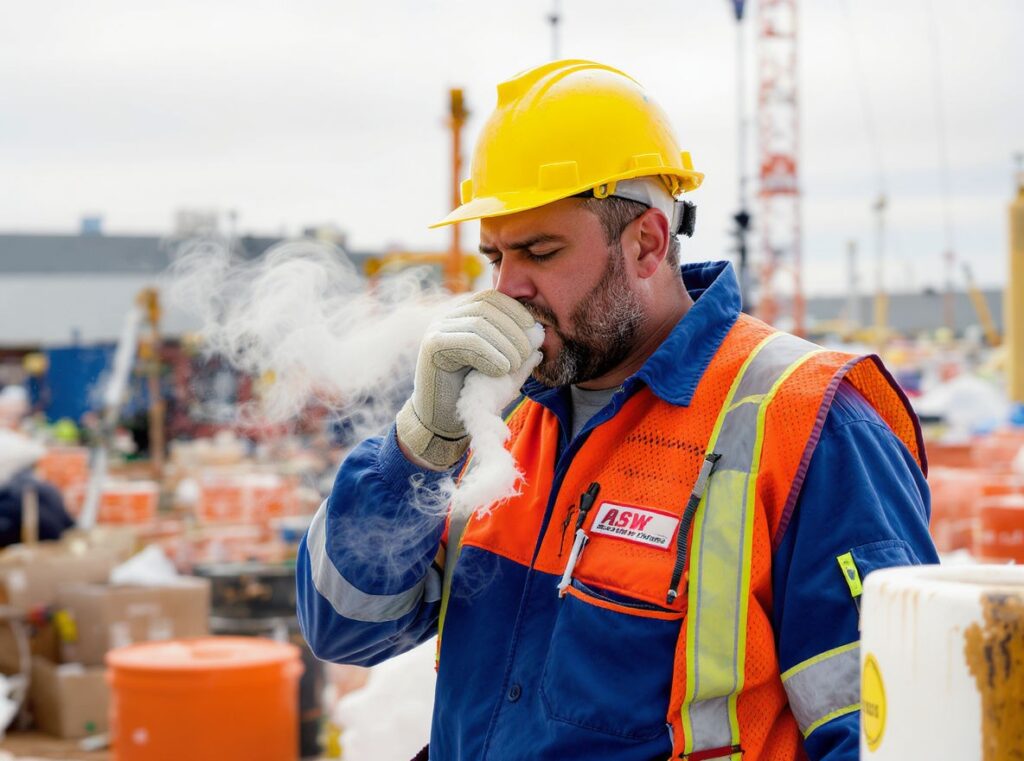
When asbestos-containing materials are disturbed, damaged, or deteriorate over time, microscopic fibers can become airborne. These tiny fibers are easily inhaled or ingested, and once inside the body, they can become lodged in the lungs and other tissues. The body cannot break down or eliminate these fibers, leading to long-term health consequences.
Asbestosis is a chronic lung disease caused by inhaling asbestos fibers. The fibers cause scarring of lung tissue, leading to breathing difficulties, persistent cough, and reduced lung capacity. There is no cure for asbestosis, and the condition is progressive, meaning it worsens over time.
Mesothelioma is a rare and aggressive cancer that affects the lining of the lungs, abdomen, or heart. This disease is almost exclusively caused by asbestos exposure, and symptoms may not appear until 20-50 years after exposure. Mesothelioma is typically fatal, with most patients surviving only 12-21 months after diagnosis.
Lung cancer is another serious risk associated with asbestos exposure. People exposed to asbestos have a significantly higher risk of developing lung cancer, particularly if they also smoke. The combination of asbestos exposure and smoking creates a synergistic effect that dramatically increases lung cancer risk.
Other cancers have also been linked to asbestos exposure, including cancers of the larynx, ovaries, and gastrointestinal tract. The latency period for asbestos-related diseases is typically 10-40 years, meaning symptoms may not appear until decades after exposure occurred.
When Is Asbestos Dangerous?
A common misconception is that all asbestos-containing materials pose an immediate threat. In reality, asbestos is most dangerous when it becomes “friable” – meaning it can be crumbled or reduced to powder by hand pressure. Friable asbestos easily releases fibers into the air, creating serious exposure risks.
Non-friable asbestos materials, such as intact vinyl floor tiles or asbestos cement siding in good condition, pose minimal risk as long as they remain undisturbed and intact. However, any damage, deterioration, drilling, cutting, sanding, or demolition of these materials can release dangerous fibers.
This is why renovation and demolition projects require particular caution. Activities that disturb asbestos-containing materials can release massive quantities of fibers into the air, putting workers and occupants at serious risk. Professional asbestos inspection and proper abatement procedures are essential before undertaking any work on older buildings.
Asbestos Regulations in North Carolina
Both federal and North Carolina state regulations govern asbestos handling, removal, and disposal. The Environmental Protection Agency (EPA) regulates asbestos under the Clean Air Act and the Toxic Substances Control Act. These federal regulations establish requirements for asbestos inspection, notification, and removal procedures.
The Occupational Safety and Health Administration (OSHA) sets standards for workplace asbestos exposure, requiring employers to protect workers from asbestos hazards and maintain exposure levels below established limits.
In North Carolina, the Department of Environmental Quality (DEQ) administers the state’s Asbestos Hazard Management program. North Carolina regulations require that only licensed asbestos professionals conduct inspections, testing, and abatement work. Property owners must notify the state before conducting asbestos removal projects, and all asbestos waste must be disposed of at approved facilities.
Violations of asbestos regulations can result in substantial fines and legal liability. More importantly, improper asbestos handling puts people’s health at serious risk. This is why it’s crucial to work with fully licensed and certified asbestos professionals like the team at A-1 Service Group.
The Professional Asbestos Removal Process
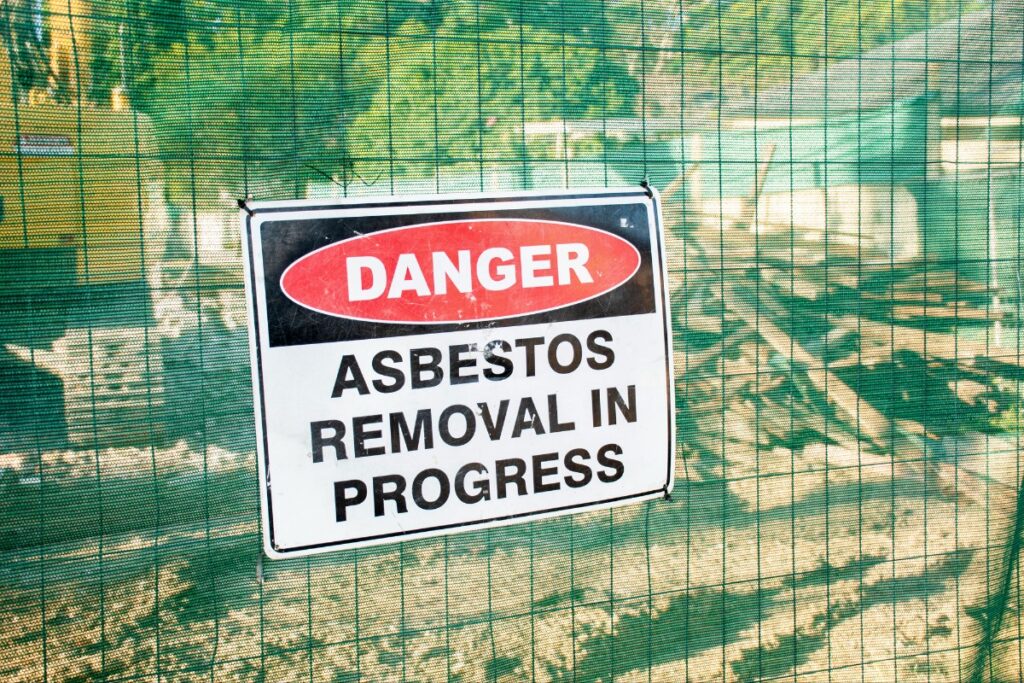
Professional asbestos abatement follows strict protocols designed to protect workers, building occupants, and the surrounding community. Understanding this process helps property owners appreciate the complexity and importance of proper asbestos removal.
The process begins with comprehensive inspection and testing. Licensed asbestos inspectors survey the property to identify potential asbestos-containing materials. Samples are collected and analyzed by accredited laboratories to confirm the presence and type of asbestos. This inspection provides the foundation for developing an effective abatement plan.
Once asbestos is confirmed, certified professionals develop a detailed abatement plan that addresses how the work will be conducted, what containment measures will be used, and how materials will be disposed of. This plan must comply with all applicable regulations and is often subject to review by regulatory agencies.
Before removal begins, the work area must be properly contained to prevent fiber migration. This typically involves sealing off the work area with plastic sheeting, establishing negative air pressure systems with HEPA filtration, and creating decontamination areas for workers to prevent fiber spread.
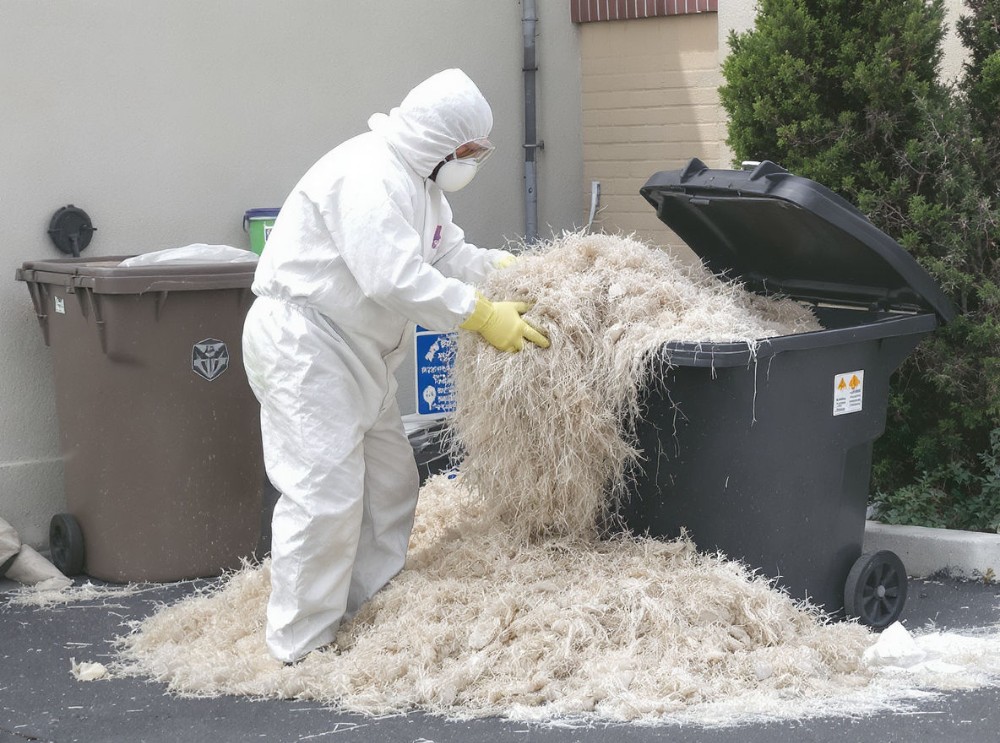
During removal, workers wear appropriate personal protective equipment, including respirators and protective clothing. Asbestos-containing materials are carefully removed using wet methods to minimize fiber release, and all materials are placed in sealed, labeled containers designed for asbestos waste.
After removal, the work area undergoes thorough cleaning and decontamination. Air monitoring is conducted to ensure fiber levels are safe, and a final inspection confirms that all asbestos has been properly removed. Only after clearance is granted can the area be reoccupied.
All asbestos waste must be transported and disposed of at facilities licensed to accept asbestos-containing materials. Detailed documentation of the entire process is maintained for regulatory compliance and future reference.
Why A-1 Service Group’s Approach Is Different
At A-1 Service Group, we offer something unique in the North Carolina market: complete vertical integration for asbestos removal projects. As the only 100% vertical demolition and waste removal company in the Piedmont Triad area, we control every step of the asbestos abatement process.
Unlike other companies that must coordinate with multiple contractors and third-party facilities, we handle everything in-house. Our team conducts the inspection and testing, develops the abatement plan, performs the actual removal work, transports the materials, and disposes of them at our own licensed facilities. This complete control offers several significant advantages for our clients.
First, it ensures maximum efficiency. Without the need to coordinate with multiple parties, we can streamline the entire process, reducing project timelines and minimizing disruption to your operations. Our integrated approach also provides better cost control, as we eliminate the markups and coordination costs associated with using multiple contractors.
Perhaps most importantly, our vertical integration gives you complete peace of mind. You’re working with a single point of contact throughout the project, and we maintain complete control and accountability for every aspect of the work. There’s no passing responsibility between contractors or relying on third parties to follow through on critical safety procedures.
Our team holds all required state and federal certifications for asbestos abatement, including EPA and North Carolina Department of Environmental Quality licenses. We exceed industry safety standards with comprehensive air monitoring, proper containment procedures, and rigorous decontamination processes. Our experts stay current with all EPA, OSHA, and state regulations, ensuring your project meets or exceeds all legal requirements.
When Should You Be Concerned About Asbestos?
Several situations should prompt immediate consideration of professional asbestos inspection and potential abatement. If you’re planning any renovation or demolition work on a property built before 1990, asbestos inspection is not just advisable – it’s often legally required before work can begin.
Visible damage to materials that could contain asbestos, such as deteriorating pipe insulation, crumbling ceiling tiles, or damaged floor tiles, warrants immediate professional assessment. Even if you’re not planning work, deteriorating asbestos-containing materials pose health risks that should be addressed promptly.
Before purchasing an older commercial property, asbestos inspection should be part of your due diligence process. The presence of asbestos doesn’t necessarily make a property a bad investment, but you need to understand the extent and condition of any asbestos-containing materials to make informed decisions and budget appropriately for future abatement needs.
If you discover unexpected materials during renovation that could contain asbestos, stop work immediately and call professional asbestos inspectors. Continuing work without proper testing and abatement procedures puts everyone at risk and may violate regulations.
Emergency situations, such as fires, floods, or structural damage that disturbs potential asbestos-containing materials, require immediate professional response. A-1 Service Group provides 24/7 emergency asbestos response services for exactly these types of urgent situations.
Industries and Properties We Serve
Our comprehensive asbestos abatement services support a wide range of industries and property types throughout North Carolina. Commercial buildings, including office complexes, retail spaces, and mixed-use developments, often contain asbestos materials from their original construction. We help building owners and managers address these concerns safely and efficiently.
Industrial facilities such as manufacturing plants, warehouses, and processing facilities frequently have extensive asbestos insulation on pipes, boilers, and other equipment. Our experience with industrial environments ensures we can handle even the most complex abatement projects.
Healthcare facilities, including hospitals, clinics, and medical office buildings, require special attention to infection control and minimal disruption during asbestos work. Our team understands the unique challenges of working in healthcare environments and can coordinate abatement around patient care needs.
Educational institutions, from elementary schools to universities, have a responsibility to provide safe environments for students and staff. We work closely with school administrators to schedule asbestos abatement during breaks or off-hours to minimize impact on educational activities.
Residential properties, including single-family homes, apartments, and condominiums, may require asbestos testing and removal before renovation or sale. We provide the same professional service for residential clients as we do for our commercial customers.
Government buildings and public infrastructure projects must comply with strict regulations regarding asbestos. Our expertise with regulatory compliance makes us an ideal partner for municipal facilities and public projects.
Taking Action on Asbestos Concerns
If you suspect asbestos may be present in your North Carolina property, or if you’re planning renovation or demolition work on a building constructed before 1990, the first step is professional inspection and testing. Don’t attempt to disturb, remove, or even sample potential asbestos-containing materials yourself. The health risks are simply too serious, and improper handling can transform a manageable situation into a dangerous exposure event.
At A-1 Service Group, we provide comprehensive asbestos services from initial inspection through final disposal. Our fully integrated approach ensures your project is handled safely, efficiently, and in full compliance with all regulations. We serve the Greensboro, High Point, and Winston-Salem markets and the broader Piedmont Triad area with the same commitment to safety and quality that has made us the region’s trusted partner for demolition and waste removal services.
Contact A-1 Service Group today to discuss your asbestos concerns or to schedule an inspection. Our certified professionals are ready to help you understand your options and develop a safe, effective solution for your property. Don’t let asbestos concerns delay your project or put people’s health at risk – reach out to the team that controls every step of the process and delivers true peace of mind.
Whether you’re managing a commercial building, planning an industrial renovation, or concerned about asbestos in your home, A-1 Service Group has the expertise, equipment, and facilities to handle your project safely and professionally. Learn more about our comprehensive asbestos abatement services and discover why property owners throughout North Carolina trust us for their most critical asbestos removal needs.