If you own or manage a building constructed before the 1990s in North Carolina, you’ve probably wondered whether asbestos might be present in your property. One of the most common questions people ask is “What does asbestos actually look like?” Unfortunately, there’s no simple answer—asbestos doesn’t have a single, easily recognizable appearance because it was incorporated into hundreds of different building materials in various forms. Understanding where asbestos commonly appears and what characteristics might indicate its presence helps you recognize potential concerns, though professional testing remains the only way to definitively identify asbestos-containing materials.
At A-1 Service Group, we’ve provided expert asbestos removal services throughout the North Carolina Piedmont Triad area for years, helping property owners identify, test, and safely remove asbestos from buildings of all types. Our certified team’s extensive experience, reflected in our customer reviews, includes working with virtually every type of asbestos-containing material found in residential, commercial, and industrial properties. This comprehensive guide helps you understand what asbestos looks like in its various forms, where it’s commonly found, and why professional inspection is essential when asbestos concerns arise.
Understanding Asbestos: The Invisible Danger
Before exploring what asbestos looks like in various applications, it’s important to understand why visual identification alone proves insufficient and potentially dangerous. Asbestos’s hazardous nature stems from microscopic fibers invisible to the naked eye—the very characteristics that make it dangerous also make it impossible to identify with certainty just by looking.
Asbestos Fiber Characteristics
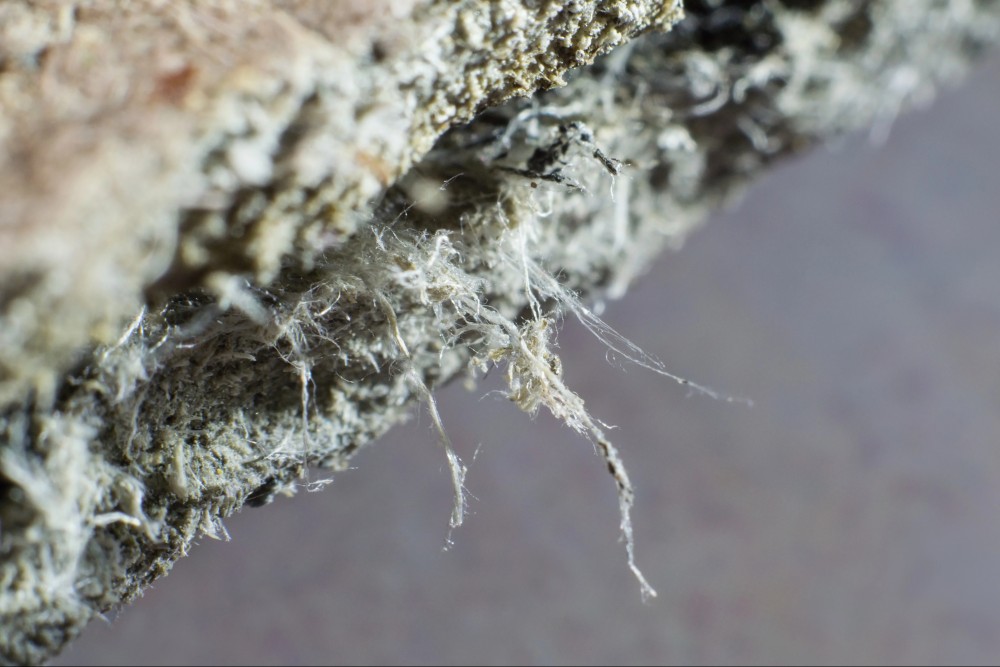
Asbestos refers to six naturally occurring silicate minerals that form bundles of microscopic fibers. These fibers are incredibly thin—far thinner than human hair—and completely invisible without magnification. When asbestos-containing materials deteriorate or are disturbed, these microscopic fibers become airborne and can be inhaled, creating serious health risks.
The three types most commonly used in construction were chrysotile (white asbestos), amosite (brown asbestos), and crocidolite (blue asbestos). While these names suggest different colors, you typically cannot see these color differences in installed building materials because asbestos fibers are mixed with other materials rather than appearing in pure form.
Why Visual Identification Is Insufficient
Materials containing asbestos look identical to similar materials without asbestos. The same 9×9 floor tile installed in 1975 might contain asbestos while an identical-looking tile from 1995 does not. Visual inspection cannot distinguish between these materials with certainty—only laboratory testing of samples can definitively identify asbestos presence.
This is why attempting to identify asbestos yourself is both unreliable and potentially dangerous. Disturbing materials to examine them more closely or collecting samples without proper training and equipment can release hazardous fibers. Professional asbestos inspectors have the training, equipment, and expertise to safely identify suspected materials and collect samples for laboratory analysis.
Common Asbestos-Containing Materials and Their Appearance
While you cannot definitively identify asbestos by appearance alone, understanding what common asbestos-containing materials look like helps you recognize materials that warrant professional inspection. These descriptions focus on the building materials themselves rather than the asbestos fibers within them.
Floor Tiles and Adhesives
Vinyl floor tiles manufactured before the mid-1980s commonly contained asbestos, with 9×9 inch tiles being particularly likely to contain the material. These tiles typically have mottled or speckled appearance with colors ranging from solid tones to complex patterns. The tiles themselves look exactly like non-asbestos vinyl tiles—appearance alone cannot distinguish them.
The black mastic adhesive used to install these tiles often contained asbestos as well. This tar-like black substance, visible around tile edges or underneath when tiles are removed, frequently included asbestos fibers. If you see black adhesive under old flooring, assume it may contain asbestos until testing proves otherwise.
Vinyl sheet flooring from this era also frequently contained asbestos in the backing material. The flooring looks like standard vinyl sheet goods with various patterns and colors, but the felt-like backing material visible from underneath often contained asbestos fibers for durability.
Ceiling Tiles and Textured Coatings
Dropped ceiling tiles in commercial buildings constructed before 1980 commonly contained asbestos. These tiles typically measure 2×2 feet or 2×4 feet and have textured, porous surfaces. They might be white, off-white, or have subtle patterns. Their lightweight, somewhat soft texture comes partly from asbestos fibers mixed into the tile material.
Textured ceiling coatings, often called “popcorn ceilings” or “acoustic ceiling texture,” very frequently contained asbestos when applied before 1980. This bumpy, cottage cheese-like texture was sprayed or hand-applied to ceilings for acoustic dampening and aesthetic purposes. The texture can be fine or coarse, and while appearance varies, the general bumpy, irregular surface is distinctive. White or off-white color is most common, though some applications were painted.
Pipe and Boiler Insulation
Pipe insulation containing asbestos often appears as gray or white wrapping around pipes, sometimes with a canvas-like or paper outer covering. The insulation might be wrapped in layers and may show a fibrous texture if the outer covering is damaged. Corrugated cardboard-like material wrapped around pipes, particularly in older basements and mechanical rooms, often contained asbestos.
Boiler insulation containing asbestos typically looks like thick, cement-like coating or blanket-style wrapping around boilers and heating equipment. The material might be gray, white, or brownish, with a hard or somewhat crumbly surface if deteriorated. This insulation often has a layered appearance and may show cracks or damage from decades of temperature cycling.
Roofing Materials
Asbestos cement shingles used for roofing have a distinctive appearance—they’re typically rigid, somewhat brittle, and often have a slight texture or pattern impressed into their surface. Colors vary but gray and various earth tones are common. These shingles are noticeably heavier and more rigid than modern composite shingles.
Built-up roofing on flat or low-slope commercial roofs often incorporated asbestos-containing felt papers in the layers. You generally cannot see these materials without removing upper roofing layers, but if old roofing is being removed, grayish felt papers with tar between layers may contain asbestos.
Siding Materials
Asbestos cement siding panels, sometimes called “transite” siding, have a distinctive rigid, cement-like appearance. These panels are typically flat or slightly textured, often with a subtle pattern. They’re noticeably harder and more brittle than vinyl or aluminum siding. Colors vary but grays, whites, and earth tones are most common. The siding often has visible nails and may show weathering or slight deterioration along edges.
Drywall and Joint Compounds
Drywall itself occasionally contained asbestos, though this was less common than in other materials. Visual appearance alone cannot distinguish asbestos-containing drywall from standard drywall—both look like the familiar smooth wall surface found in most buildings.
Joint compounds used to finish drywall seams sometimes contained asbestos, particularly products manufactured before 1980. The finished product looks like standard smooth drywall joints and surfaces—you cannot visually identify whether asbestos is present in the compound. Textured wall finishes applied over drywall, similar to popcorn ceilings, also sometimes contained asbestos.
Fireproofing Materials
Sprayed-on fireproofing applied to structural steel in commercial buildings very frequently contained asbestos. This material has a fluffy, fibrous appearance, somewhat like spray foam insulation but with a grayer color and more fibrous texture. It’s typically gray or off-white and has a soft, somewhat crumbly texture. This material is particularly hazardous because its friable nature means fibers release easily if disturbed.
Age and Context Clues
While appearance alone cannot confirm asbestos presence, age and context provide important clues about likelihood. Understanding when asbestos use was common helps you assess whether materials warrant professional inspection.
Construction Date Matters
Buildings constructed or renovated between 1930 and 1980 have the highest probability of containing asbestos materials. This represents the peak period of asbestos use in construction. Buildings from the 1950s through 1970s particularly commonly contain asbestos in numerous applications.
Construction or renovation after 1990 makes asbestos presence much less likely, though not impossible. Materials manufactured and installed after this period generally did not contain asbestos due to health concerns and emerging regulations. However, old materials might have been used even after asbestos-free alternatives became available.
Building Type Influences Likelihood
Commercial and industrial buildings typically contain more asbestos applications than residential properties. Schools, hospitals, office buildings, factories, and warehouses were more likely to use asbestos-containing materials extensively, particularly for fireproofing and insulation applications.
Residential properties, especially homes, might contain asbestos in specific applications like flooring, textured ceilings, and pipe insulation, but generally had fewer asbestos-containing materials than commercial structures.
Original vs. Replacement Materials
Original building materials from construction have higher asbestos likelihood than replacement materials installed during renovations. If you know certain materials are original to a pre-1980 building, they warrant serious asbestos consideration. Conversely, if materials were replaced during recent renovations, asbestos presence is less likely—though you cannot assume safety without confirmation.
Warning Signs That Demand Professional Inspection
Certain situations create urgent need for professional asbestos inspection before proceeding with any work. These circumstances involve higher risk of asbestos presence and potential for dangerous fiber release.
Planned Renovation or Demolition
Any renovation or demolition work planned for buildings constructed before 1990 should begin with professional asbestos inspection. Disturbing asbestos-containing materials during demolition or renovation can release massive quantities of hazardous fibers, creating serious health risks and potential regulatory violations.
North Carolina regulations require asbestos inspection before many types of renovation and demolition work. Professional inspection identifies asbestos locations and enables proper abatement before renovation proceeds. At A-1 Service Group, our comprehensive inspection services ensure you know exactly what materials contain asbestos before any potentially hazardous work begins.
Visible Damage or Deterioration
Materials suspected of containing asbestos that show damage, deterioration, or wear warrant immediate professional assessment. Damaged asbestos-containing materials can release fibers into the air, creating exposure risks for building occupants.
Signs of concerning deterioration include crumbling or flaking materials, water damage to ceiling tiles or textured coatings, damaged pipe insulation with visible fibrous material, cracked or broken floor tiles, or deteriorating siding or roofing materials.
Before Property Purchase
Pre-purchase asbestos inspection for older properties helps buyers understand what asbestos-containing materials exist and plan for their management or removal. While asbestos presence doesn’t necessarily make a property a bad investment, knowing about it enables informed decision-making and appropriate budgeting.
The Dangers of DIY Asbestos Identification
Understanding the serious risks of attempting to identify or handle potential asbestos materials yourself is crucial for protecting your health and complying with regulations.
Health Risks from Fiber Release
Disturbing asbestos-containing materials to examine them more closely or collect samples can release hazardous fibers into the air. These microscopic fibers, once inhaled, can cause serious diseases including asbestosis, lung cancer, and mesothelioma. No safe exposure level exists for asbestos—any exposure carries potential health consequences.
The latency period for asbestos-related diseases typically spans 10-50 years, meaning exposure today might not manifest as disease for decades. This delayed effect makes it particularly important to prevent exposure now, even if no immediate symptoms appear.
Regulatory Violations and Liability
Federal and state regulations govern asbestos handling, sampling, and removal. Attempting DIY identification or removal violates these regulations and can result in substantial fines. More seriously, improper handling can expose others to hazardous fibers, creating liability for resulting health effects.
Professional asbestos services providers like A-1 Service Group carry the required licenses, training, and insurance to handle asbestos safely and legally. Our certified team follows all EPA and North Carolina Department of Environmental Quality requirements, protecting both your health and your legal interests.
Inadequacy of Visual Assessment
Even with photographs and detailed descriptions of asbestos-containing materials, you cannot reliably identify asbestos visually. Materials that look identical may or may not contain asbestos depending on when and by whom they were manufactured. Only laboratory analysis of properly collected samples can definitively identify asbestos presence.
Professional Asbestos Inspection and Testing
Understanding the professional inspection and testing process helps you know what to expect when you appropriately address potential asbestos concerns through qualified professionals.
What Professional Inspection Involves
Licensed asbestos inspectors conduct thorough surveys of your property, visually identifying materials likely to contain asbestos based on appearance, age, and location. They document all suspect materials and their condition, noting any damage or deterioration that might pose immediate concerns.
Inspectors collect samples of suspect materials using proper techniques that minimize fiber release. These samples are carefully packaged and labeled, then sent to accredited laboratories for analysis. Laboratory technicians use polarized light microscopy or transmission electron microscopy to identify asbestos fibers definitively.
Inspection Results and Recommendations
Inspection reports identify which materials contain asbestos, their locations throughout your property, and their condition. Reports also provide recommendations for management or removal based on material condition and your planned activities.
Materials in good condition that won’t be disturbed might be safely left in place with periodic monitoring. Damaged materials or materials that will be disturbed during planned work require professional abatement before proceeding. Your inspection report guides these decisions with professional recommendations based on current conditions and intended use.
Planning for Abatement
When inspection confirms asbestos presence requiring removal, professional abatement planning ensures work proceeds safely and in compliance with all regulations. At A-1 Service Group, our asbestos abatement services include comprehensive planning that addresses containment requirements, worker protection, air monitoring, and proper disposal of all asbestos-containing materials.
The A-1 Service Group Comprehensive Approach
Our unique position as the only 100% vertical demolition and waste removal company in the Piedmont Triad area enables us to provide truly comprehensive asbestos services that other companies cannot match. We handle every step in-house, from initial inspection through final disposal, utilizing our own facilities and maintaining complete control over the entire process.
Complete Vertical Integration
Unlike companies that must coordinate with multiple contractors and third-party facilities, we control every aspect of asbestos abatement. Our certified team conducts inspections, collects and analyzes samples, develops abatement plans, performs removal work, transports materials, and disposes of them at our own licensed facilities.
This vertical integration provides significant advantages. It ensures maximum efficiency by eliminating coordination delays between separate contractors. It provides better cost control by removing middleman markups. Most importantly, it gives you complete accountability—we’re responsible for every step, and you have a single point of contact throughout your project.
Certified Expertise Across All Services
Our team holds all required state and federal certifications for asbestos inspection, testing, and abatement, including EPA and North Carolina Department of Environmental Quality licenses. This comprehensive certification enables us to serve your complete needs rather than requiring multiple specialists for different project phases.
Our expertise extends across all types of asbestos-containing materials found in residential, commercial, and industrial properties. Whether you’re dealing with floor tiles, pipe insulation, textured ceilings, or any other asbestos application, our team has the experience and equipment to handle it safely and effectively.
Advanced Safety Protocols
We exceed industry safety standards with comprehensive air monitoring, proper containment procedures, and rigorous decontamination processes. Our protocols protect both our workers and building occupants from fiber exposure during and after abatement work.
Containment areas are established with negative air pressure and HEPA filtration to prevent fiber migration. Workers wear appropriate personal protective equipment including respirators and protective clothing. Continuous air monitoring ensures fiber levels remain safe throughout work and confirms successful completion before containment is removed.
Complete Documentation and Compliance
We maintain detailed documentation of all inspection findings, abatement work, air monitoring results, and disposal records. This documentation proves regulatory compliance and provides records you may need for future property transactions, insurance, or other purposes.
Our experts stay current with all EPA, OSHA, and state regulations, ensuring your project meets or exceeds all legal requirements. This compliance protects you from potential violations and demonstrates responsible environmental stewardship.
Emergency Response Capability
Unexpected asbestos discoveries during renovation work or damage from fires, floods, or other emergencies sometimes require immediate professional response. We provide 24/7 emergency asbestos services for these urgent situations, ensuring rapid professional response when time-sensitive circumstances arise.
Industries and Property Types We Serve
Our comprehensive asbestos services support diverse property types across residential, commercial, and industrial sectors throughout North Carolina.
Commercial Buildings
Office complexes, retail spaces, and mixed-use developments from the peak asbestos era commonly contain multiple asbestos applications. We help building owners and property managers identify these materials and develop appropriate management or removal strategies that allow buildings to function safely while addressing asbestos concerns.
Industrial Facilities
Manufacturing plants, warehouses, and processing facilities often contain extensive asbestos applications, particularly in insulation systems, fireproofing, and roofing materials. Our industrial experience and vertical integration enable us to handle even the most complex large-scale abatement projects efficiently.
Healthcare Facilities
Hospitals, clinics, and medical office buildings require special consideration during asbestos work to maintain infection control and minimize disruption to patient care. Our team understands these unique requirements and coordinates work to accommodate ongoing healthcare operations.
Educational Institutions
Schools, universities, and daycare centers have particular responsibilities to maintain safe environments for students and staff. We work with educational administrators to identify asbestos concerns, develop management plans, and conduct abatement work during breaks or off-hours to minimize educational disruption.
Residential Properties
Single-family homes, apartments, and condominiums may contain asbestos in various applications. We provide the same professional service for residential clients as we do for commercial customers, ensuring homeowners can address asbestos concerns safely and appropriately.
Government Buildings
Municipal facilities and public infrastructure must comply with strict regulations regarding asbestos management and removal. Our expertise with regulatory compliance and our comprehensive service capabilities make us ideal partners for government asbestos projects.
When to Contact Professional Asbestos Services
Several situations warrant immediate contact with professional asbestos services to protect health and comply with regulations.
Before Any Renovation or Demolition
Contact asbestos professionals before beginning any renovation or demolition work on properties built before 1990. Inspection must occur before work begins to identify asbestos materials and enable proper abatement planning.
Upon Discovering Damaged Materials
If you discover damaged materials suspected of containing asbestos, contact professionals immediately for assessment. Damaged asbestos materials can release fibers and require prompt professional attention to prevent exposure.
During Property Purchase Due Diligence
Include asbestos inspection in pre-purchase assessments for older properties. Understanding asbestos presence before closing enables informed decision-making and appropriate planning for material management or removal.
For Ongoing Property Management
Properties with known asbestos-containing materials benefit from periodic inspections to monitor condition and ensure materials remain safely in place. Professional property managers often establish ongoing relationships with asbestos service providers for this monitoring and any necessary response.
Take the Right Steps to Protect Your Property and Health
Understanding what asbestos looks like in its various applications helps you recognize materials that warrant professional attention, but visual assessment alone can never definitively identify asbestos presence. The materials described in this guide represent common asbestos applications, but remember that identical-looking materials may or may not contain asbestos depending on manufacturing date and source.
When you suspect asbestos might be present in your North Carolina property, the right response is clear: contact professional asbestos services for proper inspection and testing. Attempting DIY identification or handling of potential asbestos materials risks your health, violates regulations, and can create liability for exposing others to hazardous fibers.
At A-1 Service Group, our comprehensive asbestos services provide everything you need to address asbestos concerns safely and professionally. From initial inspection through laboratory testing, abatement planning, safe removal, and proper disposal, we handle every step with the expertise and care that serious health hazards demand. Our unique vertical integration ensures complete control and accountability throughout your project.
Ready to address potential asbestos concerns in your property? Contact A-1 Service Group today to discuss your situation and schedule professional asbestos inspection. Our certified team will assess your property thoroughly, identify any asbestos-containing materials, and provide clear recommendations for management or removal based on your specific circumstances.
Don’t let uncertainty about asbestos presence delay necessary renovation work or create ongoing health concerns. Professional inspection provides definitive answers about what materials contain asbestos and what actions are needed to address them safely. Learn more about our complete range of services and discover why property owners throughout the North Carolina Piedmont Triad area, including Greensboro, High Point, and Winston-Salem, trust A-1 Service Group for their most critical asbestos needs.
Experience the difference that complete vertical integration, certified expertise, and genuine commitment to safety make in asbestos services. Since our founding, we’ve maintained the highest standards of professional service and customer care, reflected consistently in our customer reviews. When asbestos concerns arise, trust the team that controls every step of the process and delivers the comprehensive, safe, and reliable solutions your property deserves.