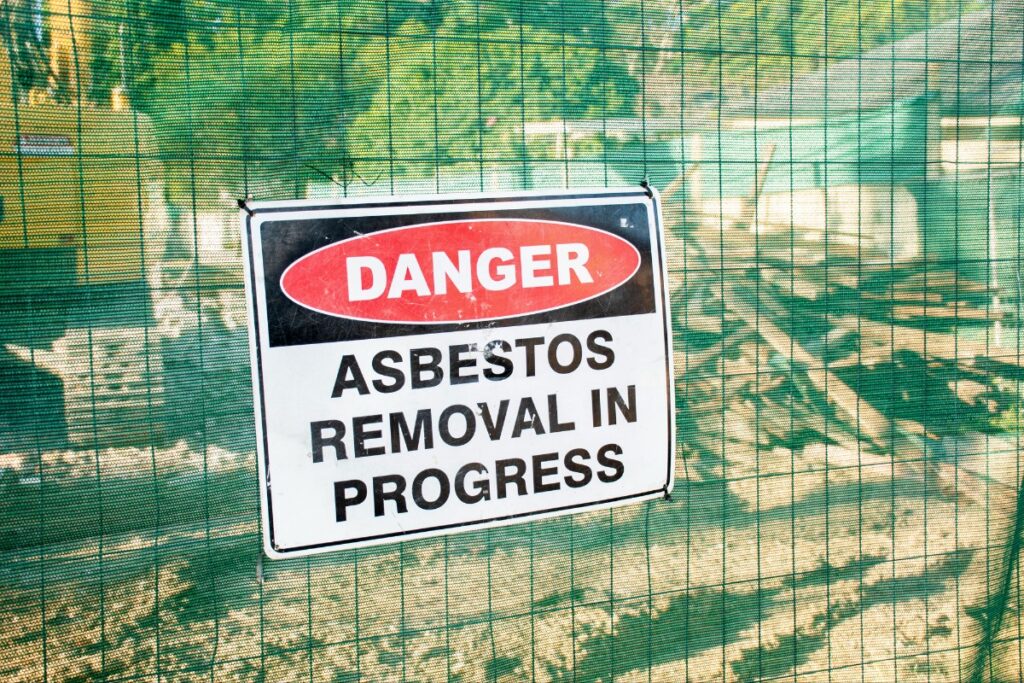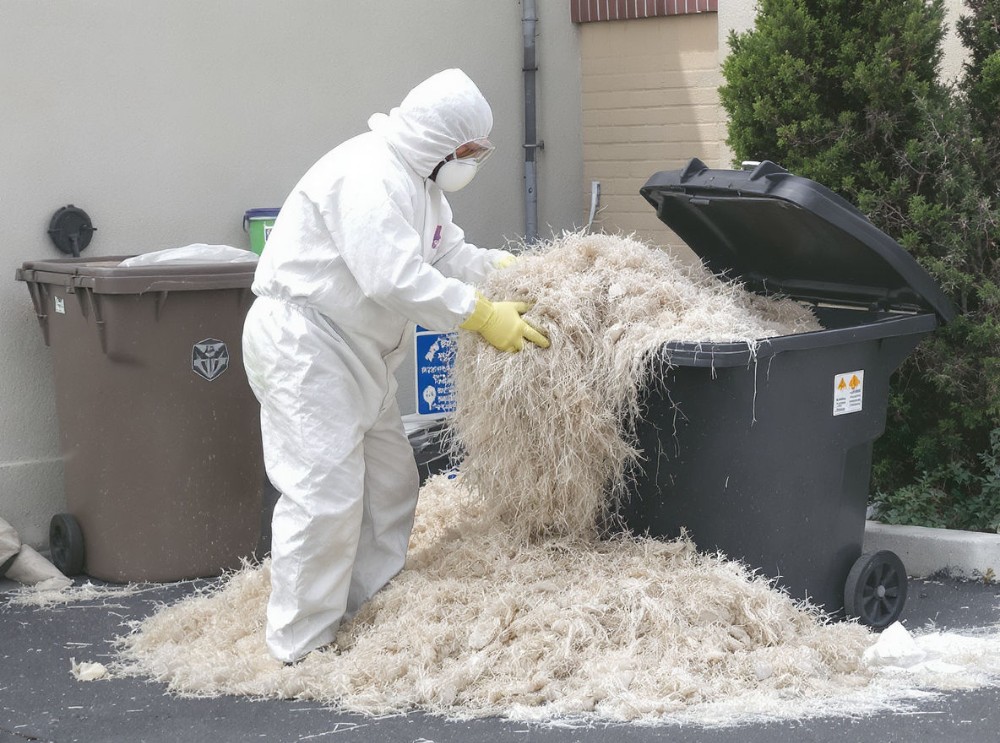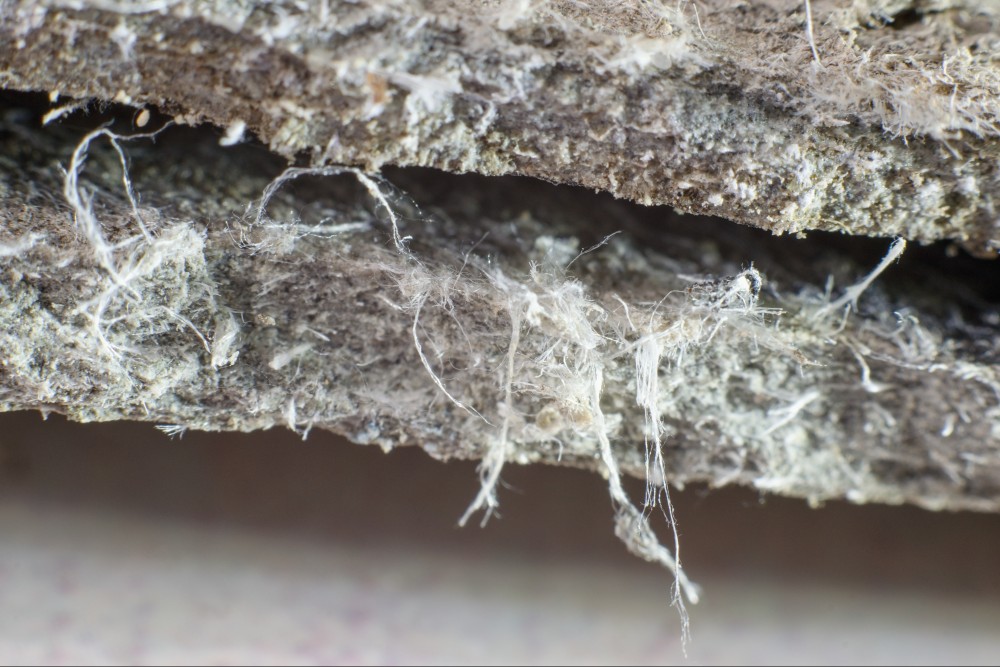
Walking through the basement or mechanical room of an older building and encountering insulation wrapped around pipes or covering boilers naturally raises questions: “Is this asbestos?” and “What does asbestos insulation actually look like?” Asbestos was extensively used in various types of insulation for decades, and millions of buildings across North Carolina still contain these materials. Understanding what asbestos insulation looks like in its different forms helps you recognize when professional inspection is needed, though visual identification alone can never definitively confirm asbestos presence.
At A-1 Service Group, we’ve provided expert asbestos removal services throughout the North Carolina Piedmont Triad area for years, working with every type of asbestos insulation found in residential, commercial, and industrial properties. Our certified team’s extensive experience, reflected consistently in our customer reviews, includes safely removing pipe insulation, boiler wrapping, vermiculite attic insulation, and various other asbestos insulation applications. This comprehensive guide helps you understand what different types of asbestos insulation look like, where they’re commonly found, and why professional inspection and removal services are essential when dealing with these potentially hazardous materials.
Why Asbestos Was Used in Insulation
Before exploring what asbestos insulation looks like, understanding why it was so widely used helps explain its prevalence in older buildings and the variety of forms you might encounter.
The “Miracle Material” Properties
Asbestos possesses remarkable physical properties that made it ideal for insulation applications. Its natural resistance to heat meant it could insulate pipes, boilers, and equipment carrying extremely hot materials without degrading. Its fire resistance provided protection against flames and high temperatures, crucial for both thermal efficiency and fire safety in buildings.
The fibrous structure of asbestos creates excellent insulating properties, trapping air and minimizing heat transfer. Combined with its durability, resistance to chemical damage, and low cost, these properties made asbestos the insulation material of choice from the 1930s through the 1970s.
The Peak Years of Asbestos Insulation
Asbestos insulation use peaked between 1930 and 1980, with particularly heavy use during the 1950s through early 1970s. Buildings constructed or renovated during this period almost certainly contain asbestos insulation in various applications. By the late 1970s and early 1980s, growing health concerns led to declining asbestos use even before formal regulations severely restricted its applications.
Buildings constructed after 1990 have much lower probability of containing asbestos insulation, though the possibility isn’t zero since old materials might have been installed even after safer alternatives became standard.
Pipe Insulation: The Most Common Form
Asbestos pipe insulation represents one of the most frequently encountered forms of asbestos in older buildings. This insulation was wrapped around pipes carrying hot water, steam, or other heated materials to prevent heat loss and protect people from burns on hot pipe surfaces.
White or Gray Corrugated Wrapping
One of the most recognizable forms of asbestos pipe insulation appears as white or light gray corrugated paper-like material wrapped around pipes. This wrapping has a distinctive ridged or corrugated texture similar to cardboard but softer and more fragile. The material might be wrapped in overlapping layers and secured with wire, cloth tape, or metal bands.
This corrugated asbestos paper insulation was extremely common on steam and hot water pipes in basements, mechanical rooms, and industrial facilities. The corrugations provided additional insulating value by creating air pockets while allowing the material to flex around pipe bends and fittings.
Fabric or Canvas-Covered Insulation
Some asbestos pipe insulation appears covered with white or beige fabric or canvas-like material that creates a smooth outer surface. Underneath this covering lies the insulating material which may contain asbestos. The fabric covering might be held in place with metal bands, wire, or sewn seams running along the length of the pipe.
This type of insulation was considered more finished-looking than bare corrugated paper and was often used in areas where pipes were visible rather than hidden behind walls or ceilings. The fabric covering provided some protection for the underlying insulation but also made visual identification of asbestos content more difficult since you cannot see the actual insulating material without disturbing the covering.
Plaster-Like or Cement Coating
Another form of asbestos pipe insulation appears as a hard, plaster-like or cement-like coating applied directly to pipes. This insulation has a rough, somewhat irregular surface and may be white, gray, or brownish in color. It often shows cracks or damaged areas where pieces have broken off, revealing fibrous material underneath.
This cement-based asbestos insulation was particularly common in industrial settings and older commercial buildings. The hard outer surface provided durability and physical protection for the underlying insulation, but damage from impacts, vibration, or age often created cracks and breaks that exposed the asbestos-containing core.
Block or Sectional Insulation
Some pipe insulation appears as rigid blocks or sections fitted around pipes rather than flexible wrapping. These blocks or sections are typically held together with wire or metal bands and may have canvas or paper covering. The blocks fit around pipes like a hinged shell and were particularly common for insulating larger diameter pipes.
This sectional insulation often contained asbestos mixed with other materials to create rigid forms that maintained their shape and insulating properties. The material might be gray, white, or tan colored and typically has a somewhat chalky or crumbly texture, especially if aged or damaged.
Boiler and Tank Insulation
Boilers, furnaces, hot water tanks, and similar equipment often were insulated with asbestos-containing materials to improve efficiency and prevent heat loss. These insulation applications typically covered larger surface areas than pipe insulation and might appear in several different forms.
Blanket-Style Wrapping
Some boiler insulation appears as thick blanket or batting-style material wrapped around the equipment. This insulation looks somewhat like thick fabric or felt and might be white, gray, or tan colored. The blankets are typically held in place with metal bands, wire, or fabric straps and may have multiple layers.
Under the outer covering, the insulating material has a fibrous, wool-like texture. If you can see exposed edges or damaged areas, you might observe the fibrous nature of the material, though the individual asbestos fibers are too small to see without magnification.
Hard Plaster-Like Coating
Many boilers and furnaces were coated with hard, plaster-like or cement-like material containing asbestos. This coating might be several inches thick and covers the equipment’s exterior surfaces to provide thermal insulation. The material typically appears gray, white, or brownish and has a somewhat rough, textured surface.
This hard coating often shows cracks, damaged areas, or pieces that have broken off due to age, vibration from equipment operation, or previous repair work. These damaged areas are particularly concerning because they can release asbestos fibers if the material is disturbed.
Block or Panel Insulation
Some boiler insulation consists of rigid blocks or panels fitted around the equipment. These blocks might be held in place with metal frames or banding and often have a smooth outer surface that might be painted. The blocks themselves are typically made of asbestos-containing cement or plaster-like material formed into rigid shapes.
Vermiculite Attic Insulation
Vermiculite is a naturally occurring mineral that expands when heated, creating lightweight insulation material. While vermiculite itself isn’t asbestos, a significant vermiculite mine in Libby, Montana was contaminated with asbestos, and vermiculite from this source was processed and sold as attic insulation under various brand names, most notably Zonolite, from the 1920s through 1990.
What Vermiculite Looks Like
Vermiculite insulation appears as small, lightweight pebbles or granules ranging from about the size of peas to larger chunks. The material has a distinctive accordion-like or layered appearance with shiny surfaces that might be silver, gold, gray-brown, or various earth tones. When you look closely, each piece shows a layered structure that catches light differently from different angles, creating a somewhat sparkly or reflective appearance.
This insulation was typically poured or blown into attic spaces where it settled into a loose-fill layer covering the attic floor. The depth varies but often ranges from a few inches to several inches thick.
Why Vermiculite Warrants Concern
Not all vermiculite contains asbestos—the material from the contaminated Montana mine is the primary concern. However, since you cannot determine by looking whether vermiculite contains asbestos, the EPA recommends treating all vermiculite insulation as potentially asbestos-containing and avoiding disturbing it.
If your attic contains loose-fill insulation that looks like small pebbles or granules with a shiny, layered appearance, professional testing can determine whether it contains asbestos and whether removal or encapsulation is appropriate for your situation.
Ductwork and HVAC Insulation
Heating, ventilation, and air conditioning systems in older buildings sometimes incorporated asbestos-containing insulation in several applications.
Duct Wrapping
Asbestos-containing materials were sometimes wrapped around air ducts for thermal insulation or fire protection. This wrapping might appear as paper-like material, fabric covering, or rigid boards attached to duct exteriors. The material covering might be white, gray, or tan, and may show a fibrous texture if edges are visible or the material is damaged.
Internal Duct Lining
Some older ductwork has internal lining containing asbestos for sound dampening and thermal insulation. This lining isn’t visible from outside the ducts but might be observed at duct openings or if ducts are opened for maintenance or modification. The material typically appears as a soft, fibrous lining adhered to interior duct surfaces.
Furnace Insulation
Older furnaces often contain asbestos insulation inside the furnace cabinet or around combustion chambers. This insulation might appear as paper-like material, rigid boards, or soft fibrous material depending on the specific application. Colors vary but white, gray, and tan are most common.
Spray-Applied Insulation and Fireproofing
Some commercial and industrial buildings, particularly those constructed in the 1960s and early 1970s, have spray-applied asbestos-containing materials used for thermal insulation or fireproofing.
Sprayed-On Ceiling and Wall Materials
Spray-applied asbestos insulation or fireproofing on ceilings, walls, or structural steel has a distinctive fluffy, fibrous appearance somewhat similar to spray foam insulation but with a different texture. The material is typically gray or off-white and has a soft, somewhat spongy texture. The surface appears irregular and somewhat rough with visible fiber texture.
This material is particularly hazardous because it’s friable—meaning it crumbles easily and releases fibers readily when disturbed. Any spray-applied insulation or fireproofing from this era should be treated as potentially containing asbestos until testing proves otherwise.
What You Cannot Determine by Looking
While understanding what asbestos insulation looks like helps you identify materials that warrant professional attention, several critical points about visual identification must be emphasized.
Identical-Looking Materials May or May Not Contain Asbestos
Materials that look exactly alike might contain asbestos or might be asbestos-free depending on when and by whom they were manufactured. The same white corrugated pipe insulation installed in 1975 might contain asbestos while identical-looking material from 1995 probably does not. Visual appearance alone cannot distinguish these materials with certainty.
Asbestos Content Varies
Materials containing asbestos don’t all have the same asbestos percentage. Some might be 100% asbestos, while others might contain only small percentages mixed with other materials. This variation affects hazard levels but cannot be determined visually—only laboratory analysis reveals asbestos content percentages.
Condition Matters More Than Appearance
The hazard posed by asbestos insulation depends more on its condition than its appearance. Insulation in good condition, even if it contains asbestos, typically poses minimal risk if left undisturbed. Damaged, deteriorating, or friable insulation releases fibers more readily and creates greater hazards. However, you should never disturb insulation to assess its condition if asbestos is suspected—this assessment must be performed by qualified professionals with proper safety equipment.
Why Professional Inspection Is Essential
Understanding why you cannot rely on visual identification alone emphasizes the importance of professional asbestos inspection and testing.
Only Laboratory Testing Confirms Asbestos
The only definitive way to determine whether insulation contains asbestos is laboratory analysis of samples collected by trained professionals. Visual inspection by even experienced professionals cannot confirm asbestos presence—it can only identify materials suspicious enough to warrant testing.
At A-1 Service Group, our certified asbestos inspectors use their extensive experience to identify likely asbestos-containing materials, but we always confirm suspicions through proper laboratory testing before making definitive determinations.
Proper Sampling Requires Training and Equipment
Collecting samples for asbestos testing isn’t as simple as breaking off a piece of insulation and mailing it to a laboratory. Proper sampling requires training in techniques that minimize fiber release, appropriate personal protective equipment including respirators, containment measures to prevent contamination of surrounding areas, and proper packaging and labeling of samples for transport to laboratories.
Attempting DIY sampling risks exposure to asbestos fibers, contamination of your property, and potential regulatory violations. Professional inspection services include proper sampling as part of comprehensive assessments conducted safely and in compliance with all applicable regulations.
Comprehensive Assessment Beyond Just Identification
Professional asbestos inspection provides more than just identification of asbestos-containing materials. Comprehensive inspections document material locations throughout your property, assess material condition and potential for fiber release, identify priority concerns requiring immediate attention versus materials that can be managed in place, provide recommendations for management or removal based on conditions and your plans, and create documentation needed for regulatory compliance and future reference.
Common Locations to Check for Asbestos Insulation
Understanding where asbestos insulation commonly appears helps you identify areas of your property that warrant professional inspection before renovation or if deterioration is suspected.
Mechanical Rooms and Basements
Mechanical rooms housing boilers, furnaces, and water heaters commonly contain asbestos insulation on equipment and pipes. Basements with exposed plumbing and heating systems often have asbestos pipe insulation throughout. These areas should be carefully examined before any work that might disturb materials.
Pipe Chases and Utility Tunnels
Vertical pipe chases running between floors and horizontal utility tunnels in larger buildings frequently contain asbestos-insulated pipes. These spaces might be hidden behind access panels or enclosed in walls, making comprehensive inspection important before renovation work.
Attics
While fiberglass batt insulation is most common in residential attics, some contain vermiculite loose-fill insulation that may be asbestos-contaminated. Any loose-fill insulation consisting of small pebbles or granules warrants professional assessment.
Behind Walls and Above Ceilings
Insulated pipes and ductwork often run through wall cavities and above ceilings where they’re not visible without demolition or inspection openings. Renovation work exposing these hidden spaces sometimes reveals asbestos insulation that wasn’t apparent from visible areas.
What to Do If You Suspect Asbestos Insulation
If you’ve identified insulation in your property that looks like the materials described in this guide, taking appropriate next steps protects health and ensures compliance with regulations.
Don’t Disturb Suspected Materials
If you suspect insulation might contain asbestos, don’t disturb it. Don’t remove samples yourself, don’t attempt repair or removal, don’t sand, scrape, or break materials, and don’t perform renovation work that would disturb suspected materials. Disturbance releases fibers that create exposure risks.
Contact Professional Asbestos Services
Professional asbestos inspection and testing provide definitive answers about whether materials contain asbestos and what actions are appropriate for your situation. At A-1 Service Group, our comprehensive inspection services identify potential asbestos-containing materials throughout your property, collect samples using proper techniques that minimize exposure, submit samples to accredited laboratories for definitive testing, and provide detailed reports with recommendations based on findings.
Plan Appropriately Based on Results
If testing confirms asbestos presence, work with professionals to determine appropriate responses. Materials in good condition that won’t be disturbed might be safely left in place with periodic monitoring. Damaged materials or materials that will be disturbed during planned work require professional abatement before proceeding.
The A-1 Service Group Comprehensive Approach
Our unique position as the only 100% vertical demolition and waste removal company in the Piedmont Triad area enables us to provide comprehensive asbestos insulation services that other companies cannot match. We handle every step in-house, from initial inspection through final disposal, utilizing our own facilities and maintaining complete control over the entire process.
Expert Identification and Testing
Our certified inspectors have extensive experience identifying all types of asbestos insulation in residential, commercial, and industrial properties. We know what to look for, where it’s likely to be found, and how to safely collect samples for laboratory analysis. Our thorough inspections ensure we identify all potential asbestos-containing materials, not just obvious locations.
Safe, Compliant Removal
When asbestos insulation must be removed, our certified abatement team follows rigorous protocols ensuring safe, compliant work. We establish proper containment using negative air pressure and HEPA filtration to prevent fiber migration. Our workers use appropriate personal protective equipment and follow strict procedures to minimize fiber release. We conduct continuous air monitoring throughout work to ensure safe conditions. We provide thorough decontamination procedures and clearance testing before releasing work areas back to normal use.
Complete Disposal Control
Our vertical integration means we control disposal through our own licensed facilities rather than relying on third-party operations. This control ensures proper handling from removal through final disposal with complete chain-of-custody documentation. You get peace of mind knowing exactly where your asbestos waste goes and that it’s handled properly throughout the entire disposal process.
Comprehensive Service Range
Beyond asbestos services, our full range of services means we can handle complete demolition and renovation projects where asbestos removal represents just one component. This integrated capability eliminates coordination problems between separate contractors and provides you with single-source accountability for entire projects.
Industries and Properties We Serve
Our asbestos insulation removal expertise serves diverse property types across residential, commercial, and industrial sectors throughout North Carolina.
Commercial Buildings
Office complexes, retail spaces, and mixed-use developments often contain asbestos pipe and duct insulation in mechanical systems. We help building owners and managers address these materials safely while minimizing operational disruption.
Industrial Facilities
Manufacturing plants, warehouses, and processing facilities frequently have extensive asbestos insulation on pipes, boilers, tanks, and process equipment. Our industrial experience includes handling large-scale, complex abatement projects in operating facilities.
Healthcare Facilities
Hospitals and medical buildings require special coordination to maintain infection control and minimize disruption to patient care during asbestos work. Our healthcare experience includes understanding and meeting these unique requirements.
Educational Institutions
Schools and universities often have asbestos insulation on heating and mechanical systems throughout their buildings. We coordinate work during breaks and off-hours to minimize educational disruption while ensuring student and staff safety.
Residential Properties
Homes with asbestos pipe insulation in basements or mechanical rooms benefit from the same professional service we provide commercial clients. We understand residential concerns and work respectfully in occupied homes while maintaining rigorous safety standards.
Government Buildings
Municipal facilities and public infrastructure require rigorous compliance documentation and public accountability. Our comprehensive documentation and regulatory expertise make us ideal partners for government asbestos projects.
Don’t Wait to Address Asbestos Insulation Concerns
If your North Carolina property contains insulation that looks like the materials described in this guide, or if you’re planning renovation work on a building constructed before 1990, professional asbestos inspection provides the definitive answers you need to proceed safely and legally.
At A-1 Service Group, our comprehensive asbestos services provide everything you need to address insulation concerns from initial inspection through safe removal and proper disposal. Our vertical integration ensures complete control and accountability throughout your project, while our certified expertise guarantees work that meets or exceeds all regulatory requirements.
Ready to address asbestos insulation concerns in your property? Contact A-1 Service Group today to schedule professional asbestos inspection. Our certified team will assess your property thoroughly, identify any asbestos-containing insulation, and provide clear recommendations for management or removal based on your specific circumstances.
Don’t let uncertainty about asbestos presence delay necessary work or create ongoing health concerns. Professional inspection provides definitive answers, and our comprehensive services ensure any necessary removal proceeds safely, efficiently, and in full compliance with all regulations. Since our founding, we’ve maintained the highest standards of professional service and customer care, reflected consistently in our customer reviews.
Experience the difference that complete vertical integration, certified expertise, and genuine commitment to safety make in asbestos insulation services. When health protection and regulatory compliance matter, trust the only company in the Piedmont Triad area that controls every step of the process from inspection through disposal.