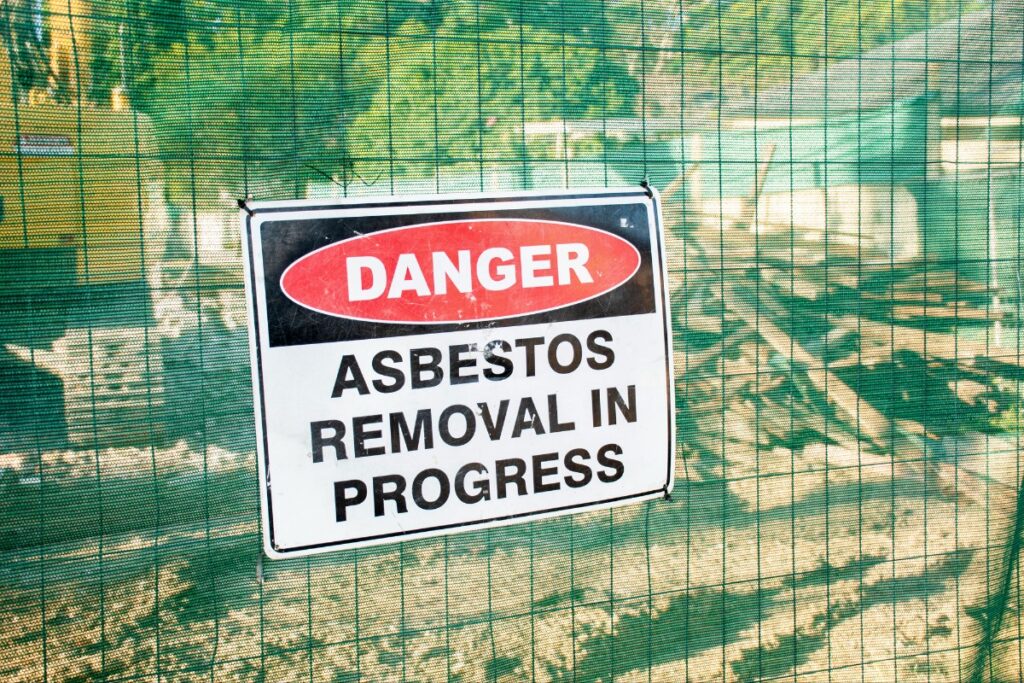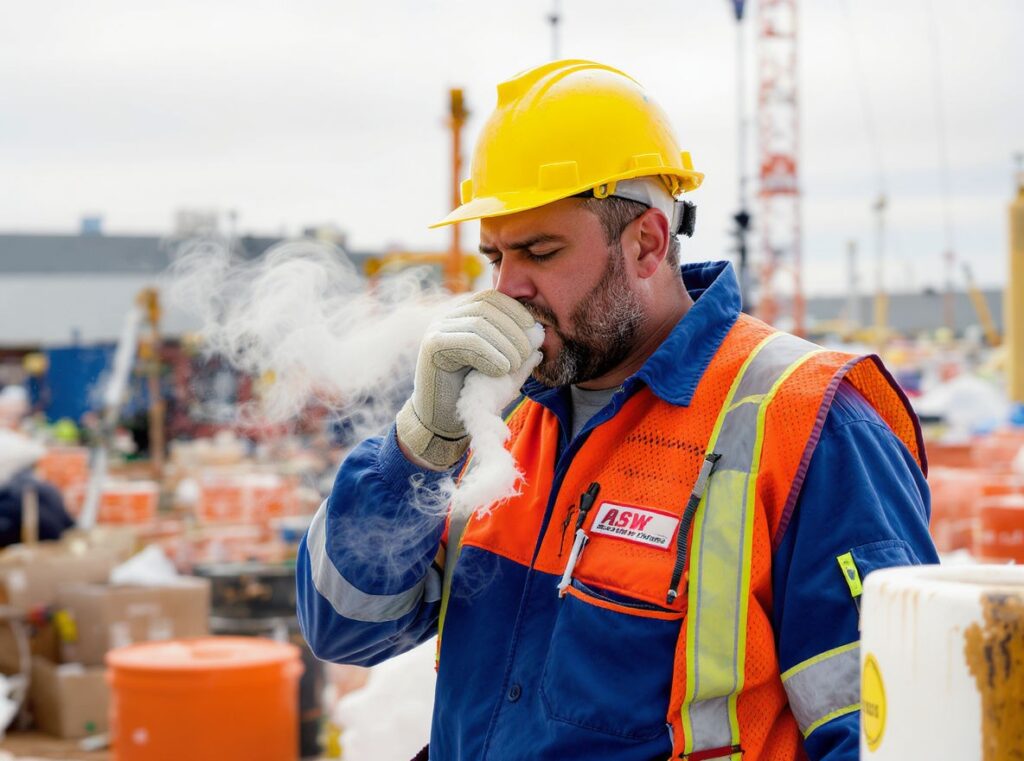
Asbestos exposure represents one of the most serious occupational and environmental health hazards, yet many people don’t fully understand the symptoms of asbestos-related diseases or when exposure might cause health concerns. If you’ve discovered asbestos in your North Carolina property, worked in industries where asbestos was common, or lived in older buildings with deteriorating asbestos materials, understanding potential health effects and recognizing warning signs becomes crucial for protecting yourself and seeking appropriate medical care.
At A-1 Service Group, we’ve provided expert asbestos removal services throughout the North Carolina Piedmont Triad area for years, helping property owners eliminate asbestos hazards before they can cause health problems. Our certified team understands the serious health consequences that asbestos exposure can create, which drives our unwavering commitment to safe, thorough removal that protects building occupants, workers, and communities. This comprehensive guide explains asbestos exposure symptoms, the diseases caused by asbestos, risk factors that increase vulnerability, and steps you should take if you believe you’ve been exposed to asbestos fibers.
Understanding How Asbestos Causes Health Problems
Before exploring specific symptoms, understanding how asbestos damages health helps explain why these symptoms develop and why prevention through proper asbestos management and removal is so critical.
Microscopic Fibers Create the Danger
Asbestos health hazards stem from microscopic fibers that become airborne when asbestos-containing materials are disturbed, damaged, or deteriorate. These fibers are incredibly small—much thinner than human hair—and completely invisible to the naked eye. When inhaled, the fibers travel deep into lungs where they become lodged in lung tissue and cannot be expelled through normal respiratory defenses.
Once embedded in lung tissue, asbestos fibers cause inflammation and scarring. Over time, this damage accumulates and can lead to serious diseases including asbestosis, lung cancer, and mesothelioma. The body cannot break down or eliminate these fibers once they’re lodged in tissue, so damage progresses over years and decades following exposure.
The Long Latency Period
One of the most insidious aspects of asbestos-related diseases is their extremely long latency period—the time between exposure and symptom development. Most asbestos diseases don’t manifest until 10-50 years after initial exposure, with mesothelioma typically requiring 20-50 years before symptoms appear.
This delayed effect means someone exposed to asbestos in their 20s or 30s might not develop symptoms until their 50s, 60s, or even 70s. This latency makes prevention crucial since exposure today won’t manifest as disease for decades, long after the damage has been done.
No Safe Exposure Level
Medical research has established that no safe level of asbestos exposure exists. While heavier and more prolonged exposure creates greater risk, even brief or low-level exposure can potentially cause disease. This means any asbestos exposure should be taken seriously and avoided whenever possible.
Early Warning Signs and Initial Symptoms
Asbestos-related diseases typically develop gradually, with subtle symptoms appearing long after exposure occurred. Understanding early warning signs helps people recognize when medical evaluation is appropriate.
Respiratory Symptoms
The earliest and most common symptoms of asbestos-related disease involve the respiratory system since inhaled fibers lodge in lung tissue. Persistent dry cough that doesn’t resolve with typical treatments represents one of the earliest signs. This cough might be dismissed as bronchitis or attributed to smoking, but its persistent nature despite treatment should raise concern, particularly in people with known asbestos exposure history.
Shortness of breath, initially noticeable only during physical exertion, gradually worsens as lung damage progresses. People might attribute this breathlessness to aging or declining fitness, but progressive shortness of breath warrants medical evaluation, especially with asbestos exposure history.
Chest tightness or pain, particularly when breathing deeply, can indicate pleural changes or lung tissue damage from asbestos. This discomfort might be mild initially but typically worsens as disease progresses.
General Health Symptoms
Beyond specific respiratory signs, people developing asbestos-related diseases often experience general symptoms including persistent fatigue that isn’t relieved by rest, unexplained weight loss without dietary changes or increased activity, loss of appetite, and difficulty sleeping, sometimes related to breathing difficulties or chest discomfort.
These non-specific symptoms might be attributed to many causes, but their combination with respiratory symptoms and asbestos exposure history should prompt medical evaluation.
When Symptoms Appear
It’s crucial to understand that symptoms don’t appear immediately after asbestos exposure. The latency period means symptoms typically emerge 10-50 years after exposure occurred. Someone who worked with asbestos in the 1970s might not develop symptoms until the 2020s, decades after exposure ended.
Asbestosis: Lung Scarring from Asbestos
Asbestosis represents a chronic lung disease caused by inhaling asbestos fibers that create scarring (fibrosis) in lung tissue. This scarring progressively damages lungs’ ability to function properly.
Asbestosis Symptoms
Asbestosis symptoms develop gradually and worsen over time as lung scarring progresses. Persistent shortness of breath represents the hallmark symptom, initially occurring only during exertion but eventually affecting even resting breathing. Persistent dry cough that doesn’t produce mucus continues despite treatment attempts. Chest tightness and discomfort accompany breathing efforts as scarred lungs lose elasticity. Crackling sounds when breathing, sometimes audible even without a stethoscope, result from air moving through scarred lung tissue.
As asbestosis progresses, symptoms intensify and additional complications may develop including clubbing of fingertips (enlarged, rounded fingertips), respiratory failure in advanced cases, and increased susceptibility to respiratory infections.
Who Develops Asbestosis
Asbestosis typically develops in people with heavy, prolonged asbestos exposure, most commonly occupational exposure in industries like asbestos mining or manufacturing, shipbuilding and ship repair, construction trades involving asbestos materials, industrial insulation work, or demolition and renovation of buildings containing asbestos.
While occupational exposure represents the primary risk for asbestosis, secondary exposure affecting family members of asbestos workers who carried fibers home on clothing, or environmental exposure from living near asbestos mines or processing facilities, can also cause disease, though typically less severe than occupational cases.
Asbestosis Progression
Asbestosis is progressive, meaning lung damage continues worsening over time even after exposure ends. No treatment can reverse the scarring, though symptom management and supportive care can improve quality of life. The progressive nature makes prevention through eliminating exposure absolutely essential.
Lung Cancer from Asbestos Exposure
Asbestos exposure significantly increases lung cancer risk, and lung cancer represents one of the most common causes of death among people with substantial asbestos exposure.
Lung Cancer Symptoms
Asbestos-related lung cancer symptoms are similar to lung cancer from other causes. Persistent cough that changes or worsens over time should raise concern. Coughing up blood or rust-colored sputum requires immediate medical evaluation. Persistent chest pain that worsens with deep breathing, coughing, or laughing warrants attention. Shortness of breath and wheezing indicate breathing obstruction. Hoarseness and voice changes can signal lung tumor effects on nerves controlling vocal cords.
Additional symptoms include recurring lung infections like pneumonia or bronchitis, unexplained weight loss and loss of appetite, persistent fatigue, and bone pain if cancer spreads to bones.
The Synergistic Effect with Smoking
Smoking dramatically increases asbestos-related lung cancer risk. People exposed to both asbestos and tobacco smoke face much higher lung cancer risk than from either exposure alone. This synergistic effect means asbestos workers who smoke have exponentially greater lung cancer risk than non-smoking workers with similar asbestos exposure.
For people with asbestos exposure history, smoking cessation represents one of the most important steps for reducing lung cancer risk, even years or decades after exposure ended.
Latency and Detection
Asbestos-related lung cancer typically develops 15-35 years after initial exposure. Early detection through regular screening improves outcomes, making medical monitoring important for people with significant exposure history. If you have asbestos exposure history, discuss appropriate screening with your physician.
Mesothelioma: The Signature Asbestos Disease
Mesothelioma represents a rare, aggressive cancer affecting the thin membrane (mesothelium) lining the lungs, chest cavity, abdomen, or heart. Unlike other asbestos diseases that can have multiple causes, mesothelioma is almost exclusively caused by asbestos exposure, making it the signature asbestos-related disease.
Pleural Mesothelioma Symptoms
Pleural mesothelioma, affecting lung lining, is the most common form representing about 75% of cases. Symptoms include persistent chest pain, particularly in lower chest or rib area, that doesn’t respond well to pain medication. Shortness of breath from fluid accumulation around lungs (pleural effusion) develops as tumor grows. Persistent dry cough occurs as tumor irritates lung lining. Unexplained weight loss and fatigue accompany disease progression. Lumps under chest skin might be palpable in advanced cases.
Peritoneal Mesothelioma Symptoms
Peritoneal mesothelioma affects the abdominal lining and represents about 20% of cases. Symptoms include abdominal pain and swelling as tumor grows and fluid accumulates, nausea and vomiting from digestive system effects, unexplained weight loss despite abdominal swelling, bowel obstruction symptoms in advanced cases, and lumps in the abdomen palpable in some cases.
Other Mesothelioma Types
Pericardial mesothelioma affecting heart lining is extremely rare, causing chest pain, breathing difficulty, and irregular heartbeat. Mesothelioma of the tunica vaginalis affecting testicular lining is also very rare, causing testicular swelling or masses.
The Long Latency Period
Mesothelioma has the longest latency of asbestos diseases, typically requiring 20-50 years from exposure to symptom development. This extremely long delay means people often develop mesothelioma decades after asbestos exposure ended, sometimes after they’ve retired from occupations where exposure occurred.
Prognosis and Treatment
Mesothelioma is aggressive and generally has poor prognosis, though outcomes vary based on cancer stage at diagnosis, tumor location, cell type, and patient overall health. Treatment options include surgery, chemotherapy, radiation therapy, and emerging immunotherapy approaches. Early detection improves outcomes, making awareness of symptoms and medical monitoring important for people with asbestos exposure history.
Other Asbestos-Related Health Conditions
Beyond the major diseases, asbestos exposure can cause several other health conditions that, while not always life-threatening, significantly impact quality of life and health.
Pleural Plaques and Thickening
Pleural plaques are areas of thickened tissue on the pleura (lung lining) that develop from asbestos exposure. While plaques themselves typically don’t cause symptoms or impair lung function, they indicate asbestos exposure occurred and signal increased risk for more serious asbestos diseases.
Diffuse pleural thickening represents more extensive scarring of lung lining that can restrict lung expansion and cause breathing difficulties. This condition may cause chest pain and shortness of breath, particularly during exertion.
Pleural Effusions
Pleural effusions involve fluid accumulation between lung and chest wall. While many conditions cause effusions, asbestos exposure increases risk for benign asbestos pleural effusion (BAPE), which can cause chest pain and breathing difficulty. Effusions also occur with mesothelioma and other asbestos-related cancers.
Increased Risk for Other Cancers
Asbestos exposure increases risk not only for lung cancer and mesothelioma but also for cancers of the larynx, ovaries, and possibly gastrointestinal tract, though these associations are less strong than for lung cancers.
Risk Factors That Increase Vulnerability
While any asbestos exposure carries risk, certain factors increase likelihood and severity of asbestos-related diseases.
Exposure Duration and Intensity
Heavy, prolonged exposure creates greater risk than brief, low-level exposure. Occupational exposure over years typically poses higher risk than single brief environmental exposures. However, since no safe exposure level exists, even brief exposure warrants awareness and appropriate precautions.
Fiber Type
Different asbestos fiber types carry varying risk levels. Amphibole asbestos fibers (including crocidolite and amosite) are considered more hazardous than chrysotile asbestos, though all types cause disease. The thin, straight amphibole fibers penetrate deeper into lungs and resist clearance more effectively than the curly chrysotile fibers.
Smoking
Tobacco smoking dramatically increases asbestos-related disease risk, particularly lung cancer. The synergistic effect between smoking and asbestos exposure creates exponentially higher risk than either exposure alone.
Age at Exposure
Younger age at initial exposure provides longer time for disease development during a person’s lifetime. Someone exposed at age 20 has decades for disease to develop, while someone first exposed at age 60 might not live long enough for diseases with very long latency periods to manifest.
Genetic Factors
Research suggests genetic factors might influence individual susceptibility to asbestos-related diseases, though exposure remains the primary determinant of risk. Some people might be more vulnerable to asbestos effects due to genetic variations affecting their body’s response to inhaled fibers.
What to Do If You’ve Been Exposed to Asbestos
If you know or suspect you’ve been exposed to asbestos, taking appropriate steps protects your health and ensures proper medical monitoring.
Seek Medical Evaluation
Inform your physician about your asbestos exposure history, including when exposure occurred, duration and intensity of exposure, and type of exposure (occupational, environmental, etc.). Your doctor can perform baseline evaluations and establish appropriate monitoring schedules.
Medical evaluation might include chest X-rays to detect lung changes, pulmonary function tests to assess breathing capacity, and in some cases, CT scans for more detailed imaging. These baseline evaluations provide comparison points for future monitoring.
Establish Regular Monitoring
People with significant asbestos exposure history should undergo regular medical monitoring even without symptoms. Early detection of asbestos-related diseases improves treatment outcomes and prognosis. Discuss appropriate monitoring schedules with your physician based on your exposure history and risk factors.
Stop Smoking
If you smoke and have asbestos exposure history, smoking cessation represents the single most important step for reducing lung cancer risk. The synergistic effect between smoking and asbestos makes quitting critical for health protection. Discuss smoking cessation strategies with your physician.
Avoid Future Exposure
Take steps to prevent additional asbestos exposure. If your home or workplace contains asbestos materials, have them professionally inspected and properly managed or removed. At A-1 Service Group, our comprehensive asbestos services help property owners eliminate asbestos hazards to prevent future exposure.
Document Your Exposure
Maintain records of your asbestos exposure including when and where exposure occurred, nature of work or activities involving asbestos, duration of exposure, and any protective measures used. This documentation helps medical professionals understand your risk and can be important if you develop asbestos-related disease.
Preventing Asbestos Exposure: The Best Protection
Since asbestos-related diseases have no cure and develop decades after exposure, prevention represents the only truly effective protection. Understanding how to avoid exposure protects both immediate and long-term health.
Professional Asbestos Management
If your North Carolina property contains asbestos materials, professional inspection, management, and when appropriate, removal, prevents exposure that could cause disease decades later. At A-1 Service Group, our certified team provides comprehensive services from initial inspection through safe removal and proper disposal.
Our unique position as the only 100% vertical demolition and waste removal company in the Piedmont Triad area means we control every step of the asbestos abatement process. From inspection through laboratory testing, removal work, transportation, and final disposal at our own licensed facilities, we maintain complete control ensuring proper handling that protects health.
Never DIY Asbestos Work
Never attempt to remove, repair, or disturb asbestos materials yourself. DIY asbestos work creates serious exposure risks and violates regulations. Professional asbestos services include proper containment, personal protective equipment, air monitoring, and disposal procedures that protect both workers and building occupants from exposure.
Inspect Before Renovation
Always conduct professional asbestos inspection before renovation or demolition work on properties built before 1990. Disturbing asbestos during renovation without proper precautions creates massive exposure risks. Professional inspection identifies asbestos locations and enables proper abatement before renovation begins.
Maintain Materials in Good Condition
Asbestos materials in good condition and left undisturbed typically pose minimal risk. However, damaged or deteriorating materials release fibers and require professional attention. Regular monitoring of known asbestos materials ensures you address deterioration before it creates exposure hazards.
The A-1 Service Group Commitment to Health Protection
Our understanding of serious health consequences from asbestos exposure drives our unwavering commitment to safe, thorough removal that protects everyone affected by our work. Since our founding, we’ve maintained the highest safety standards and operational practices that prevent exposure during asbestos abatement.
Advanced Safety Protocols
We exceed industry safety standards through comprehensive protocols including rigorous containment with negative air pressure and HEPA filtration preventing fiber migration beyond work areas, continuous air monitoring ensuring safe conditions throughout work, proper personal protective equipment for all workers including respiratory protection, strict decontamination procedures, and clearance testing before releasing work areas ensuring all fibers have been removed.
Protecting All Stakeholders
Our safety commitment extends to our workers who perform asbestos removal, building occupants who live or work in properties we serve, neighbors and surrounding communities, and the environment through proper disposal at licensed facilities.
Complete Documentation
We maintain detailed documentation of all safety measures, air monitoring results, and disposal records. This documentation proves proper handling and provides records you may need for future reference or if health concerns arise.
Emergency Response
When unexpected asbestos discoveries or damage from fires, floods, or other emergencies create immediate exposure concerns, we provide 24/7 emergency response services ensuring rapid professional attention when time-sensitive situations arise.
Take Action to Prevent Asbestos Exposure
Understanding asbestos exposure symptoms and the serious diseases they indicate emphasizes why prevention through proper asbestos management and removal is so critical. Since asbestos-related diseases develop decades after exposure with no effective cure, preventing exposure today protects health for years and decades into the future.
If your North Carolina property contains asbestos materials, if you’re planning renovation work on buildings constructed before 1990, or if you’ve discovered damaged materials that might contain asbestos, professional services from A-1 Service Group provide the comprehensive solutions you need to eliminate exposure risks.
Our certified team’s expertise across all aspects of asbestos inspection, testing, and removal ensures your project proceeds safely with complete protection for everyone affected. Our vertical integration provides accountability and control throughout the entire process from initial assessment through final disposal.
Ready to eliminate asbestos exposure risks from your property? Contact A-1 Service Group today to schedule professional asbestos inspection and discuss removal options for any materials identified. Our comprehensive services protect immediate and long-term health by removing asbestos hazards before they can cause exposure.
Don’t wait until symptoms develop—by then, exposure has already occurred decades earlier. Take action now to prevent exposure that could cause serious disease in the future. Learn more about our complete range of services and discover why property owners throughout the North Carolina Piedmont Triad area trust A-1 Service Group for their most critical asbestos needs.
Experience the difference that certified expertise, complete vertical integration, advanced safety protocols, and genuine commitment to health protection make in asbestos services. The positive feedback in our customer reviews reflects not just our technical competence but our dedication to protecting health through safe, thorough asbestos removal that eliminates exposure risks for current and future building occupants.