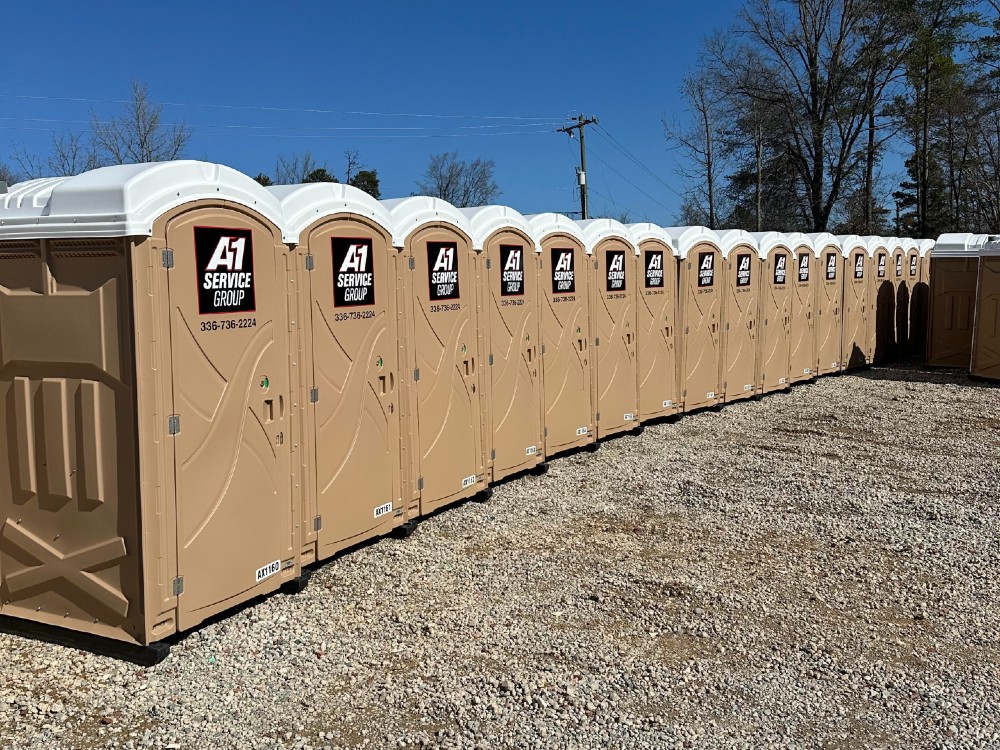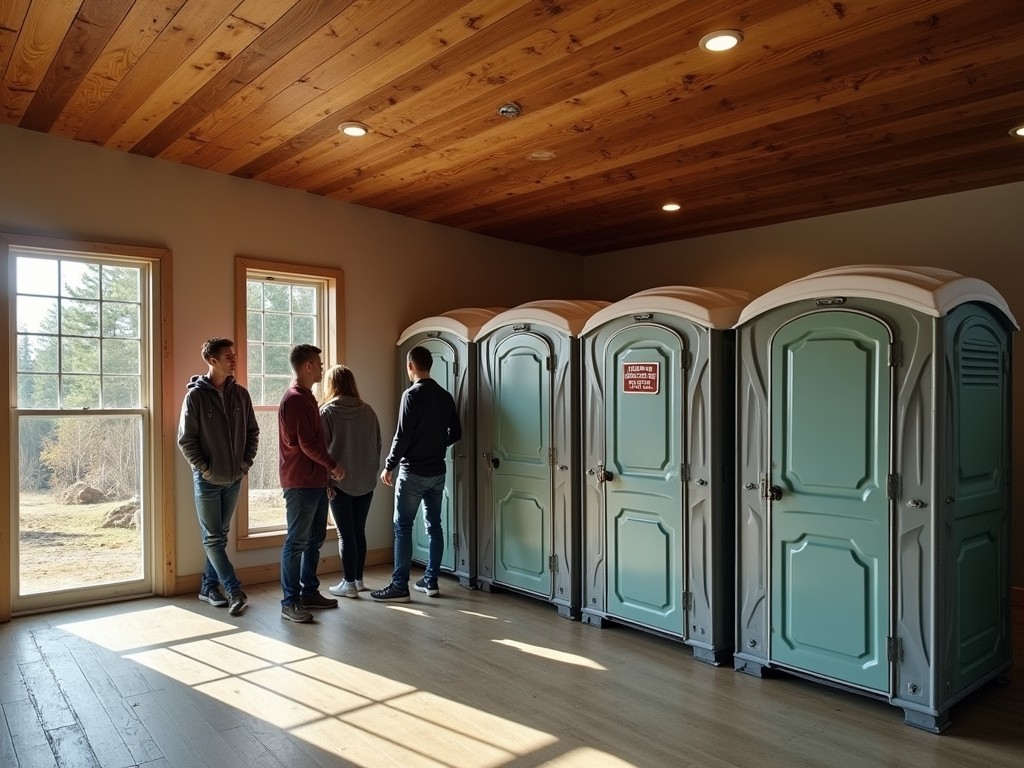
When most people think of portable toilets, they picture outdoor construction sites, festivals, and events. However, there’s a growing need for portable restroom solutions designed specifically for indoor applications. Whether you’re dealing with a plumbing emergency, managing an extensive renovation project, or operating a facility undergoing major repairs, indoor portable toilets provide a critical solution that keeps your operations running smoothly.
At A-1 Service Group, we understand that indoor restroom challenges require different solutions than outdoor applications. Our experience serving commercial, industrial, and residential clients throughout the North Carolina Triad area has given us unique insight into the specialized requirements of indoor portable toilet installations.
When Indoor Portable Toilets Become Necessary
The need for indoor portable toilets arises in numerous situations, many of which are unexpected and require quick solutions. Understanding these scenarios helps property managers, facility directors, and business owners prepare for situations where temporary indoor restroom facilities become essential.
Plumbing system failures represent one of the most common reasons for needing indoor portable toilets. When a building’s main sewer line breaks, when water supply issues prevent toilet flushing, or when septic system failures occur, occupants still need functional restroom facilities. For commercial buildings, schools, healthcare facilities, and office buildings, providing alternative restroom access isn’t just a convenience – it’s often a legal requirement to keep the facility operational.
Major renovation projects frequently require temporary restroom solutions. When renovating existing bathrooms, the fixtures must be disconnected and removed, leaving building occupants without facilities. Rather than forcing employees, students, or residents to leave the building whenever nature calls, indoor portable toilets provide convenient, accessible alternatives that allow normal activities to continue during the renovation period.
Emergency situations can suddenly create the need for temporary indoor restroom facilities. Fires, floods, and storm damage often compromise a building’s plumbing infrastructure. Natural disasters may disrupt municipal water and sewer services for extended periods. In these scenarios, indoor portable toilets enable buildings to remain occupied and functional while permanent repairs are completed.
Special events held in buildings without adequate restroom capacity also benefit from indoor portable solutions. Convention centers, exhibition halls, and large meeting spaces sometimes host events that exceed the capacity of existing facilities. Adding temporary indoor units ensures all attendees have appropriate restroom access without lengthy waits or uncomfortable crowding.
Building expansions and additions create unique challenges. When adding new wings or floors to existing structures, the new spaces may not have plumbing infrastructure installed yet, but workers and future occupants need restroom access. Indoor portable toilets bridge this gap during the construction and finishing phases.
Understanding Indoor vs. Outdoor Portable Toilets
While the basic function remains the same, portable toilets designed for indoor use differ significantly from their outdoor counterparts. These differences address the unique requirements and expectations of indoor environments, where appearance, odor control, and space efficiency become paramount concerns.
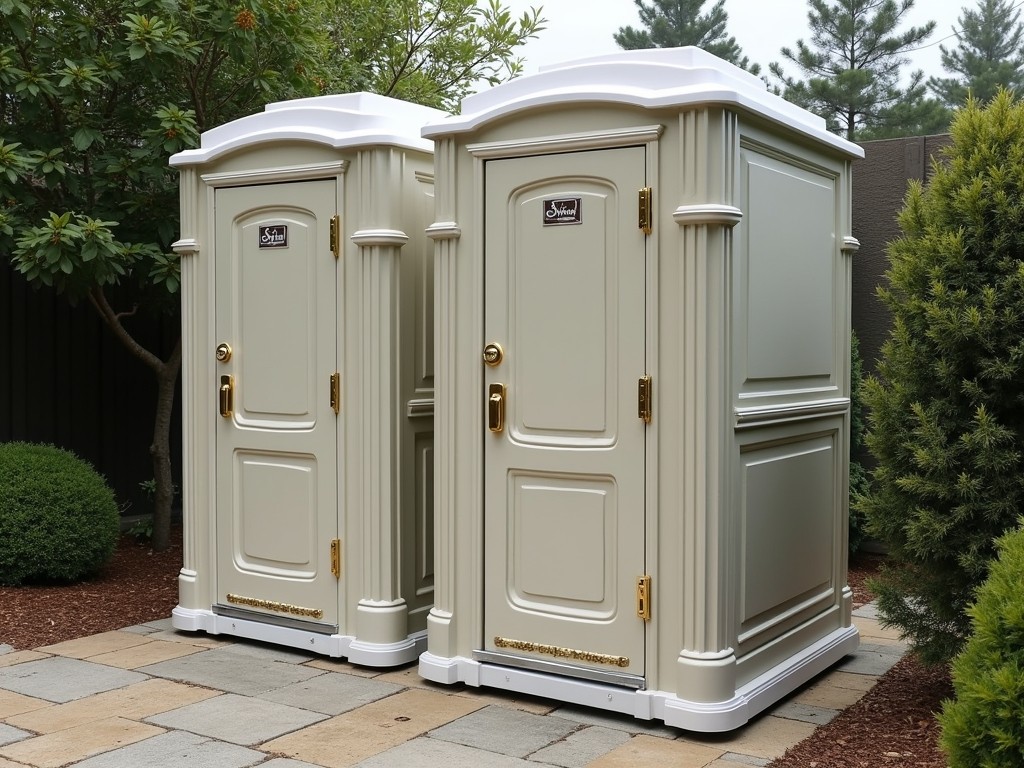
Indoor portable toilets typically feature more refined aesthetics than standard outdoor units. Because they’ll be visible to building occupants and visitors, indoor units often have cleaner lines, more professional finishes, and designs that blend better with interior spaces. Some indoor models are specifically designed to be less obtrusive and more suitable for professional environments.
Odor control systems in indoor units must be more sophisticated than outdoor models. Indoor environments don’t benefit from natural ventilation and air circulation, so indoor portable toilets incorporate enhanced ventilation systems, stronger odor neutralizers, and sometimes even ventilation ducting that can connect to existing building HVAC systems or exhaust directly outside.
Size and footprint considerations differ for indoor applications. While outdoor sites often have ample space for standard portable toilet placement, indoor locations must work within existing floor plans, hallways, and room configurations. Indoor units are often more compact and designed to fit through standard doorways and navigate interior spaces during delivery and setup.
Flooring protection becomes a critical concern for indoor installations. Unlike outdoor ground that can withstand the weight and potential minor impacts of portable toilet placement, interior floors require protection from scratches, indentations, and potential fluid leaks. Professional indoor installations include appropriate floor protection measures to preserve the building’s finishes.
Accessibility requirements for indoor portable toilets often mirror the standards applied to permanent indoor facilities. ADA-compliant portable restrooms suitable for indoor use must provide appropriate clearances, grab bars, and accessibility features that meet both temporary facility standards and indoor building codes.
Types of Indoor Portable Toilet Solutions
Different indoor situations call for different types of portable restroom solutions. Understanding the options available helps you select the most appropriate solution for your specific circumstances and facility requirements.
Standard portable toilets adapted for indoor use represent the most economical option for many situations. These units incorporate the basic functionality of outdoor portable toilets but with modifications for indoor environments, including enhanced odor control, cleaner aesthetics, and appropriate ventilation considerations. They work well for construction sites, renovation projects, and temporary situations where functionality takes precedence over aesthetics.
Flushable portable toilets offer a more refined solution that better mimics traditional indoor restrooms. These units connect to existing water lines when available and may have holding tanks or connect to sewer systems. The familiar flush mechanism makes them more comfortable for users accustomed to traditional restrooms and helps maintain a more professional atmosphere in commercial settings.
Handicapped-accessible indoor units ensure compliance with accessibility requirements. These larger units provide appropriate clearances, grab bars, and features required for individuals with mobility challenges. For facilities required to maintain ADA compliance even during renovations or emergencies, these units are essential.
Executive or VIP portable restrooms offer premium features suitable for high-end facilities, corporate environments, or situations where maintaining a professional image is critical. These units may include features like hands-free flushing, upgraded interiors, enhanced lighting, and superior odor control systems. They’re ideal for executive office renovations, upscale retail locations, or situations where client-facing areas require temporary facilities.
Portable handwashing stations complement portable toilets by providing hygiene facilities that meet health and safety standards. For commercial and institutional settings, providing proper handwashing capabilities alongside portable toilets isn’t just good practice – it’s often required by health codes and regulations.
Installation Considerations for Indoor Portable Toilets
Successfully installing portable toilets in indoor environments requires careful planning and consideration of factors that don’t apply to outdoor installations. Proper planning ensures the temporary facilities serve their purpose effectively while minimizing disruption and protecting the building’s interior.
Access and delivery routes must be carefully evaluated before installation. Portable toilets must fit through doorways, navigate hallways, and potentially use elevators or service entrances to reach their intended locations. Measuring doorways, hallway widths, and turning radiuses ensures the selected units can actually be positioned where needed. For multi-story buildings, elevator dimensions and weight capacities become critical considerations.
Floor loading and protection require attention to prevent damage to interior surfaces. Heavy portable toilets can indent or damage certain flooring types, particularly carpet, vinyl, or finished concrete. Professional installations include appropriate load distribution measures and floor protection to preserve the building’s finishes. For older buildings with questionable floor integrity, structural considerations may be necessary.
Ventilation planning is crucial for indoor portable toilet success. Even with enhanced odor control systems, indoor units benefit from strategic placement near windows, existing ventilation points, or areas where temporary ventilation ducting can be installed. Some situations may require bringing in supplemental ventilation equipment to ensure adequate air exchange and odor control.
Waste management logistics differ significantly from outdoor installations. Service technicians must navigate interior spaces to perform regular maintenance, requiring consideration of service schedules that minimize disruption to building operations. Some facilities may require after-hours servicing to avoid impacting occupants, while others may need more frequent service due to higher usage rates in indoor settings.
Electrical requirements may apply for certain indoor portable toilet types. Units with enhanced lighting, ventilation fans, or climate control features may need electrical connections. Planning for power access, including whether temporary extension cords are acceptable or dedicated circuits are necessary, should happen before installation.
Privacy and placement considerations affect user comfort and facility operations. While outdoor portable toilets have inherent privacy, indoor units require thoughtful placement to provide appropriate privacy for users while maintaining security and accessibility. Common areas, hallway alcoves, or temporarily unused rooms often provide suitable locations that balance privacy, accessibility, and convenience.
Maintaining Health and Safety Standards with Indoor Portable Toilets
When portable toilets move indoors, health and safety standards become even more critical than outdoor applications. Building occupants reasonably expect indoor facilities to meet higher cleanliness and sanitation standards than outdoor alternatives, and regulatory requirements often apply more stringently to indoor temporary facilities.
Enhanced cleaning protocols for indoor units typically involve more frequent service intervals than outdoor toilets. The enclosed nature of indoor environments means odors and cleanliness issues become apparent more quickly, requiring proactive maintenance schedules. Professional service providers experienced with indoor applications understand these requirements and adjust service frequencies accordingly.
Sanitation and disinfection standards for indoor portable toilets should mirror or exceed those for permanent indoor restrooms. High-touch surfaces like door handles, flush mechanisms, and toilet seats require regular disinfection using appropriate cleaning agents. Hand sanitizer dispensers should be checked and refilled frequently to ensure constant availability.
Air quality monitoring becomes important in enclosed spaces with portable toilets. While outdoor units benefit from natural air exchange, indoor installations may require attention to ventilation adequacy and air quality. In sensitive environments like healthcare facilities, schools, or food service establishments, air quality considerations may necessitate additional ventilation measures or more sophisticated odor control systems.
Compliance with building codes and health regulations requires understanding which standards apply to temporary indoor restroom facilities. Some jurisdictions have specific requirements for temporary facilities in occupied buildings, including minimum service frequencies, sanitation standards, and accessibility requirements. Working with experienced providers like A-1 Service Group ensures your temporary facilities meet all applicable regulations.
Occupational safety considerations apply particularly to workplace environments. OSHA standards regarding restroom availability and sanitation apply whether facilities are permanent or temporary. Employers must ensure temporary indoor toilets meet OSHA requirements for workplace sanitation, including adequate numbers of facilities based on workforce size, proper maintenance, and appropriate placement.
Cost Considerations for Indoor Portable Toilet Rentals
Understanding the costs associated with indoor portable toilet rentals helps with budgeting for emergencies, renovations, or planned temporary facility needs. Several factors influence pricing, and understanding these variables enables more accurate cost projections and better decision-making.
Rental duration significantly impacts overall costs. Short-term rentals for emergency situations or brief events may have higher daily rates but lower total costs. Extended rentals for major renovation projects typically benefit from reduced daily rates but accumulate higher total costs over time. Most providers offer flexible rental terms that can adapt as project timelines change.
Unit type and features directly affect rental rates. Basic portable toilets cost less than handicapped-accessible units, which in turn cost less than executive or VIP models with premium features. The specific requirements of your situation determine which unit types are necessary, and balancing functionality against budget constraints requires understanding what features are essential versus optional.
Service frequency requirements influence ongoing costs. Indoor applications often need more frequent service than outdoor installations due to higher visibility and occupant expectations. More frequent pumping, cleaning, and restocking translates to higher service costs but ensures better user experience and maintains sanitation standards appropriate for indoor environments.
Delivery and installation complexity can add to initial costs. Indoor installations requiring navigation of multiple floors, tight spaces, or complex building access may incur additional delivery charges. However, these upfront costs are typically modest compared to the value of maintaining building operations during plumbing outages or renovations.
Comparing the cost of indoor portable toilets to alternatives provides perspective on their value. For commercial buildings, the cost of portable toilets during renovations is typically far less than the lost productivity from sending employees off-site for restroom access. For facilities with plumbing emergencies, portable toilets cost a fraction of what would be lost by closing the facility entirely until repairs are complete.
Planning for Different Indoor Scenarios
Different situations requiring indoor portable toilets have unique planning considerations. Understanding these scenario-specific factors helps ensure your temporary restroom solution addresses all relevant needs and challenges.
For office building renovations, consider both quantity and placement of portable toilets. Calculate requirements based on occupancy, typical usage patterns, and proximity to work areas. Placing units on each floor being renovated may be necessary for larger buildings, while smaller facilities might function adequately with strategically located units accessible to all occupants.
School and educational facility applications require special attention to student safety and age-appropriate facilities. Elementary schools may need different portable toilet types than high schools, and placement must consider supervision requirements and student traffic patterns. Service schedules should accommodate school hours and high-usage periods like lunch and break times.
Healthcare facility situations demand the highest standards for cleanliness and infection control. Medical facilities with plumbing emergencies or undergoing renovation must maintain sanitation standards that prevent disease transmission. Enhanced cleaning protocols, more frequent service, and potentially specialized disinfection procedures may be necessary to meet healthcare environment requirements.
Retail and hospitality venues face unique challenges maintaining customer experience during plumbing issues or renovations. Customer-facing businesses need portable toilet solutions that maintain their brand image and customer service standards. Executive or VIP units with superior aesthetics and features may be worth the additional investment to preserve customer perception and satisfaction.
Industrial and manufacturing facilities often have large workforces concentrated in specific areas. OSHA requirements for workplace restrooms based on employee numbers must be met whether facilities are permanent or temporary. Industrial settings may also need to consider whether workers’ clothing or boots require different cleaning or maintenance approaches for portable facilities.
Long-Term Indoor Portable Toilet Solutions
While many indoor portable toilet needs are temporary, some situations require extended or even semi-permanent installations. Understanding when and how to implement longer-term indoor portable solutions helps facilities facing extended plumbing issues, multi-year renovations, or permanent capacity challenges.
Extended renovation projects lasting months or years require portable toilet solutions designed for long-term indoor use. These situations may justify investing in higher-quality units with enhanced features, more durable construction, and superior aesthetics since they’ll be visible and in use for extended periods. Regular maintenance schedules become even more critical for long-term installations to ensure continued functionality and user satisfaction.
Buildings with permanently inadequate restroom capacity sometimes use portable toilets as a long-term supplemental solution. While permanent facility expansion is ideal, portable toilets can bridge the gap when construction isn’t immediately feasible or when seasonal or event-driven demand periodically exceeds permanent facility capacity. Some facilities maintain portable units on standby, deploying them indoors when needed for special circumstances.
Aging infrastructure in older buildings may experience recurring plumbing issues that make portable toilets a practical interim solution while funding is secured for comprehensive plumbing system replacement. Rather than forcing building closures every time aging pipes fail, maintaining portable toilet availability provides operational continuity during what may be multiple repair episodes.
Budget constraints sometimes make portable toilets a more viable solution than immediate permanent facility construction or renovation. For organizations facing financial limitations, portable toilets provide functional restroom capacity that allows facilities to remain operational while capital is accumulated for eventual permanent improvements.
Working with Professional Indoor Portable Toilet Providers
Successfully implementing indoor portable toilet solutions requires working with providers who understand the unique challenges of interior installations. Not all portable toilet companies have experience with indoor applications, and selecting a provider with relevant expertise ensures better outcomes.
Experience with indoor installations is crucial. Providers familiar with navigating building interiors, understanding floor protection requirements, addressing ventilation challenges, and meeting enhanced cleaning standards for indoor environments deliver better results than those primarily focused on outdoor applications. Ask potential providers about their indoor installation experience and request references from similar projects.
Responsive service and support become even more critical for indoor installations. When portable toilets are inside occupied buildings, any service issues or maintenance delays directly impact building occupants and operations. Providers with strong customer service, rapid response capabilities, and proactive maintenance approaches minimize disruptions and ensure consistent facility availability.
Flexible solutions and problem-solving abilities distinguish exceptional providers from adequate ones. Indoor applications often present unexpected challenges or unique requirements. Providers who approach each situation as a custom problem to solve, rather than forcing standard solutions onto unique situations, deliver better outcomes and higher client satisfaction.
Comprehensive service offerings provide additional value for complex situations. When you need both indoor portable toilets and other services like construction waste removal, renovation debris hauling, or demolition support, working with a single provider who handles multiple aspects of your project simplifies coordination and often reduces overall costs.
Emergency Preparedness: Having a Plan for Indoor Portable Toilet Needs
Plumbing emergencies and unexpected situations requiring indoor portable toilets happen without warning. Facilities with advance plans for addressing these scenarios respond more effectively and experience less disruption when problems occur.
Establishing relationships with portable toilet providers before emergencies arise ensures rapid response when needs develop. Facilities can pre-qualify providers, understand their indoor capabilities, discuss typical response times, and even establish preferred customer agreements that prioritize emergency service requests. When a plumbing disaster strikes, having a provider already identified eliminates time wasted researching and vetting companies during crisis situations.
Understanding your facility’s portable toilet requirements in advance allows faster deployment when needed. Calculate how many units would be necessary based on occupancy and building layout. Identify potential locations where units could be placed. Determine what type of units would be most appropriate for your facility. Having this information ready means you can place an order immediately when a situation develops, rather than spending valuable time on planning and calculations during an emergency.
Documenting access routes, door dimensions, elevator capacities, and other logistical information facilitates rapid installation. Creating a simple document or plan that includes this information allows portable toilet providers to prepare appropriately and execute installations efficiently. This planning proves particularly valuable for multi-story buildings, facilities with limited access, or buildings with unique architectural features that affect portable toilet delivery and placement.
Budget planning for potential portable toilet needs prevents financial surprises when emergencies occur. Understanding typical costs for the quantity and type of units your facility would require allows you to incorporate contingency funds into facility management budgets or ensure appropriate authorization processes are in place to approve emergency rentals quickly.
The Future of Indoor Portable Toilet Solutions
As building operations become more complex and the need for flexible facility solutions grows, indoor portable toilet technology and services continue to evolve. Understanding emerging trends helps facilities plan for future needs and evaluate new solutions as they become available.
Technology integration is gradually making its way into portable toilet solutions. Smart sensors that monitor waste levels, usage frequency, and supply levels enable more efficient service scheduling and proactive maintenance. For indoor applications where service disruptions are particularly problematic, these technologies can alert providers to service needs before issues become apparent to users.
Sustainability improvements are emerging across the portable sanitation industry. More efficient waste processing, water-saving technologies, and environmentally friendly cleaning products address growing environmental concerns. For facilities with strong sustainability commitments, asking providers about their environmental practices and available eco-friendly options aligns temporary facilities with organizational values.
Improved aesthetics and user experience focus on making portable toilets more comparable to permanent facilities. As indoor applications become more common, manufacturers are developing units specifically designed for interior use with better appearances, more comfortable interiors, and features that provide experiences closer to traditional restrooms.
Modular and flexible designs allow portable toilet solutions to adapt to different spaces and requirements. Units that can be configured differently, combined with adjacent units, or customized with various feature combinations provide more flexibility for challenging indoor applications.
Getting Started with Indoor Portable Toilet Solutions
Whether you’re facing an immediate plumbing emergency, planning a major renovation, or preparing for potential future needs, understanding indoor portable toilet solutions and establishing relationships with capable providers positions your facility for success.
At A-1 Service Group, our comprehensive understanding of both outdoor and indoor portable toilet applications comes from years of serving diverse clients throughout the North Carolina Triad area. We’ve helped commercial buildings maintain operations during extensive renovations, supported schools through plumbing emergencies, and provided temporary facilities for countless unique situations requiring indoor restroom solutions.
Our approach begins with understanding your specific situation, facility characteristics, and operational requirements. We evaluate access challenges, recommend appropriate unit types and quantities, develop service schedules that align with your facility’s operations, and implement installations that protect your building’s interior while providing reliable restroom access for occupants.
As part of our comprehensive suite of services, our portable toilet solutions integrate seamlessly with our other offerings. When your situation involves renovation debris removal, demolition work, or specialized waste management needs, coordinating these services through a single provider simplifies project management and often provides cost advantages through consolidated scheduling and logistics.
Ready to discuss your indoor portable toilet needs or prepare a contingency plan for potential future requirements? Contact us today to speak with our experienced team. We’ll help you understand your options, develop appropriate solutions for your specific situation, and ensure you have reliable restroom facilities regardless of what challenges your building faces.
Don’t wait until an emergency strikes to research indoor portable toilet solutions. Whether you’re planning ahead or facing an immediate need, A-1 Service Group provides the expertise, equipment, and responsive service that keeps your facility operational when restroom challenges arise. Learn more about our complete portable toilet offerings and discover why North Carolina facilities trust us to solve their most challenging temporary restroom needs.